Car Detailing Chemical pH Chart
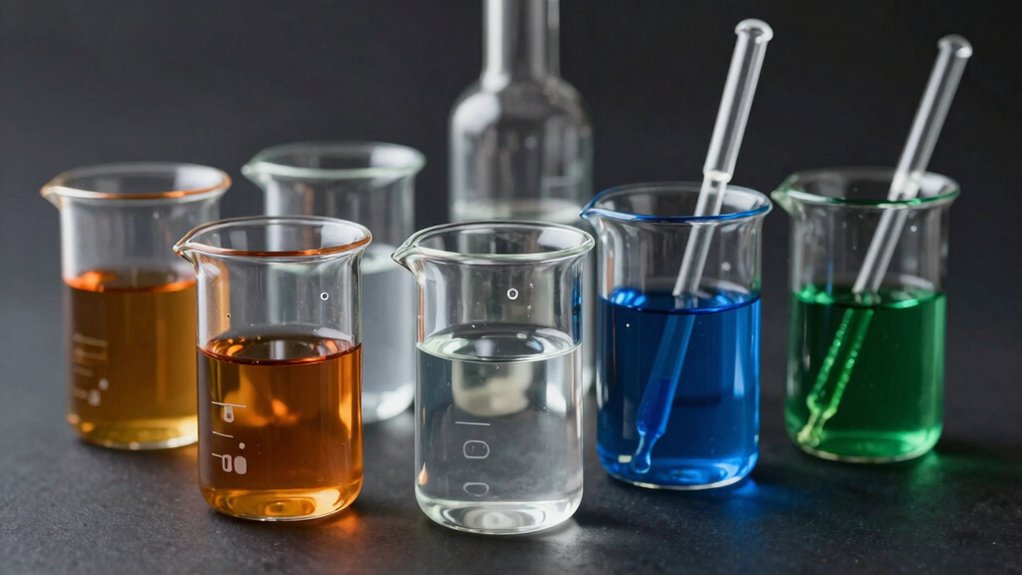
Use pH to pick chemistry: Acidic cleaners (pH 2–6) remove mineral deposits, iron fallout and wheel brake dust. Neutral products (pH 6–8) are safe for paint, glass, trim and chrome. Alkaline cleaners (pH 8–11+) tackle grease, oils and engine bays.
Measure with a calibrated digital pH meter or strips. Follow manufacturer dilution ratios and contact times. Rinse or neutralize promptly, and use PPE and ventilation.
Continue for tool choices, dilution math, and material-specific timings.
Quick Overview
- Use acidic cleaners (pH 2–6) for mineral stains, iron fallout, and wheel grime; however, avoid painted and rubber surfaces.
- Neutral products (pH 6–8) are safest for paint, glass, interiors, and chrome maintenance without damage risk.
- Alkaline detergents (pH 8–11) are best for degreasing engines and heavy oil/grease soils. Limit contact time.
- Measure pH with calibrated digital meters or test strips. Verify dilution with scales, dosing syringes, or refractometers.
- Always follow recommended dilution and contact times. Rinse or neutralize promptly, record mixes, and use PPE and ventilation.
pH Ranges by Product Type
How do you pick the right cleaner for the job? You match task to pH: acidic (7) for degreasing. You’ll avoid surface damage by referencing chart interpretation and by watching pH testing pitfalls like improper dilution or expired strips.
Dilute per instructions, test an inconspicuous area, and rinse thoroughly.
| Product Type | Typical pH | Primary Use |
|---|---|---|
| Acidic | 2–6 | Mineral deposits, iron fallout |
| Neutral | 6–8 | Paint, glass, interiors |
| Alkaline | 8–11 | Grease, engine bays |
Follow surface-specific ranges; neutral protects chrome and rubber, acidic targets wheels, and alkaline suits engines.
pH Measurement Tools List
Wondering which pH measurement tool fits your detailing workflow? You need reliable instruments that balance accuracy, speed, and durability while considering material compatibility times for test strips or probes on different surfaces. Here’s a concise pH measurement tools list to guide choices:
- Digital pH meter: High accuracy; probe needs calibration and surface-safe contact. It is ideal for solutions and rinsates.
- pH test strips: Fast, low-cost; note material compatibility times. Do not leave strips on painted or delicate surfaces.
- Colorimetric kits: Laboratory-grade reagents for spot checks; slower but precise for water and concentrate samples.
- Combination tester (pH/ORP/TDS): Multi-parameter diagnostics; useful for detailing bays monitoring rinse quality.
Choose tools based on repeatability, calibration frequency, and on-surface compatibility.
Dilution Ratios and Contact Times
You’ll need exact dilution ratios and measuring tools (graduated cylinders, calibrated pumps, or ratio cups) to achieve target pH and safe strength. Note the required contact time for each chemistry and surface. Overexposure can etch paint or soften rubber; underexposure reduces efficacy. Therefore, follow manufacturer times and adjust for temperature.
Always rinse and, when specified, neutralize acidic or alkaline residues within the stated material-compatibility window to prevent damage.
Proper Dilution Ratios
Why dilute a concentrate exactly as the label directs? You need dilution precision to hit the formulated pH and active strength; small deviations change cleaning power and risk surface harm. Follow manufacturer ratios printed as 1:10, 1:20, etc., and convert to volume units before mixing.
Adjust for task: heavier soils use stronger ratios within label limits. Delicate surfaces require maximum dilution or a neutral product. Monitor contact timing; adhere to recommended dwell times to let chemistry work without overexposure. Rinse or neutralize promptly when contact timing ends.
Never guess concentrations; document mixes for repeatability and safety. Proper dilution preserves coatings, prevents residue, and ensures expected pH performance across surfaces.
Measuring Tools Needed
Which measuring tools do you need to get dilution ratios and contact times right? You’ll want a calibrated digital scale for concentrates, graduated cylinders or dosing syringes for small volumes, and a marked mixing jug for larger batches.
Use a refractometer or TDS meter to verify solution strength when manufacturers give specific target readings; these improve measuring accuracy versus visual estimates. Include a reliable stopwatch or timer to track contact intervals and note them on your SOP.
Always perform test patches on inconspicuous areas to confirm efficacy and surface safety before full application. Label mixed solutions with ratio, date, and intended contact time. Maintain and recalibrate tools regularly to ensure consistent results and prevent over- or under-application.
Chemical Contact Times
Now that you’ve got the right measuring tools and calibration habits in place, focus on getting dilution ratios and contact times right to control cleaning chemistry and surface exposure. You’ll follow manufacturer dilution charts, measure by volume, and log mixtures to ensure consistent pH and active strength.
Set contact times based on chemistry: neutral cleaners rinse quickly; alkalines and acids need defined dwell times to break soils without overexposure. Use timers and ambient condition notes; heat accelerates reactions. Rinse thoroughly at or before maximum recommended time to avoid non-marring risks and chemical dwell damage.
Include safety reminders: PPE, ventilation, and immediate neutralization procedures. Record incidents and adjust ratios or times when performance or safety thresholds are met.
Material Compatibility Times
How long should you let each product dwell and at what dilution to protect materials while getting results? You’ll set dilution ratios and contact times based on surface type and material compatibility charts. For paint and clear coat, use neutral pH at manufacturer-recommended dilutions (typically 1:100–1:20) with short contact times (30–120 seconds) to avoid softening or etching.
Wheels and brake dust removal tolerate stronger dilutions (1:10–1:4) and longer contact times (1–5 minutes); however, test for chrome or aluminum sensitivity. Engine bays use alkaline concentrates (1:5–1:20) with brief contact (1–3 minutes) to prevent plastic degradation. Interior fabrics and leather require low-strength neutral cleaners (1:100–1:30) and minimal dwell (15–60 seconds).
Always perform spot tests and follow label limits for safe contact times.
Rinsing And Neutralization
You’ve set dilutions and dwell times. Next, you need a strict rinsing and neutralization plan to prevent residual pH damage and to stop ongoing chemical action. For consistent results, verify dilution accuracy with graduated measures and mix per label; improper dilution alters contact times and increases risk.
Rinse immediately at the end of prescribed contact times using high-pressure or volume appropriate to the surface. That’s rinsing best practice to remove residues. For acidic treatments, follow neutralization steps using a mild alkaline rinse or dedicated neutralizer. For alkaline products, apply a pH-neutralizing agent if required. Flush until runoff tests near neutral pH.
Document dilution ratios, measured contact times, and rinsing duration for repeatability and auditability in your detailing protocol.
Safety And Ventilation
Why should you plan ventilation and safety steps around dilution ratios and contact times? You must treat dilution ratios as control points: higher concentration increases fumes and corrosivity, requiring greater ventilation importance and stricter PPE.
Match contact times to label data; longer exposure raises inhalation and surface-damage risk. Your safety focus should include quantitative ventilation: achieve 6–12 air changes per hour in enclosed spaces when using strong alkalines or acids. Use local exhaust for spot work.
Wear chemical-resistant gloves, eye protection, and respirators rated for acid/alkaline mists when required. Prepare neutralizers and rinse stations to limit contact time. Log dilution checks, contact durations, and ventilation status for each task to maintain reproducible, safe detailing operations.
Frequently Asked Questions
Can pH Affect Long-Term Wax or Sealant Durability?
Yes, pH affects long-term wax or sealant durability. You’ll see wax durability versus pH stability drop when exposed to strong acids or alkalis that strip binders or etch the clear coat. You should control pH during washes and use neutral cleaners for maintenance.
Also, check applicator material compatibility: some foams or fabrics degrade with high or low pH, causing uneven application and reduced longevity of protection. Test and rinse thoroughly.
Are Biodegradable Cleaners Always Neutral pH?
No, biodegradable cleaners aren’t always neutral pH. You’ll encounter biodegradable chemistry across acidic, neutral, and alkaline formulas. “Neutral pH myths” ignore that biodegradability concerns molecular breakdown, not hydrogen ion level.
You should check labels and datasheets for pH and biodegradation tests. For delicate surfaces, pick verified neutral-pH biodegradable products. For heavy degreasing, choose alkaline biodegradable options and follow dilution and rinse guidelines to prevent damage.
How Does Water Hardness Interact With Cleaner pH?
Water hardness affects cleaner pH interaction by buffering and reducing effectiveness. Hard water’s calcium and magnesium ions neutralize alkaline cleaners, form insoluble salts with soaps, and leave mineral deposits that acidic cleaners must tackle.
You’ll need higher concentrations or chelating agents to maintain target pH and cleaning power. Always test dilution; add a water softener or sequestrant for consistent cleaner pH interaction, and rinse thoroughly to avoid residue and spotting.
Can pH Testing Strips Expire or Give False Readings?
Yes, pH test strips can expire and give false readings. You’ll face pH test limitations from degraded indicator dyes, moisture exposure, and improper storage. Test strip expiration means color changes become unreliable; this causes drift or muted responses. You should check manufacture dates, store strips sealed and dry, and verify accuracy against a known buffer solution.
If results seem off, replace strips or use a calibrated electronic pH meter for precise readings.
Should I Neutralize Acidic Cleaners After Use?
Yes, you should neutralize acidic cleaners after use. You’ll prevent etching, clear-coat dulling, chrome corrosion, and rubber embrittlement by following neutralization steps: rinse thoroughly, apply a prescribed alkaline neutralizer or mild baking soda solution at correct dilution, agitate gently, then rinse again and dry.
Test the neutralizer in an inconspicuous spot first. Follow manufacturer instructions and don’t over-apply to avoid residue or surface damage.
Conclusion
You’ve now got the essentials: match product pH to the surface, use accurate tools, and follow specified dilution ratios and contact times. Always measure solutions with calibrated tools; note material compatibility limits. Rinse or neutralize per manufacturer guidance.
Maintain ventilation and wear appropriate PPE when handling acids or alkaline detergents. Stick to these technical practices to protect surfaces, ensure chemical effectiveness, and keep yourself safe during every detailing job.