Car Detailing Maintenance Schedule Template
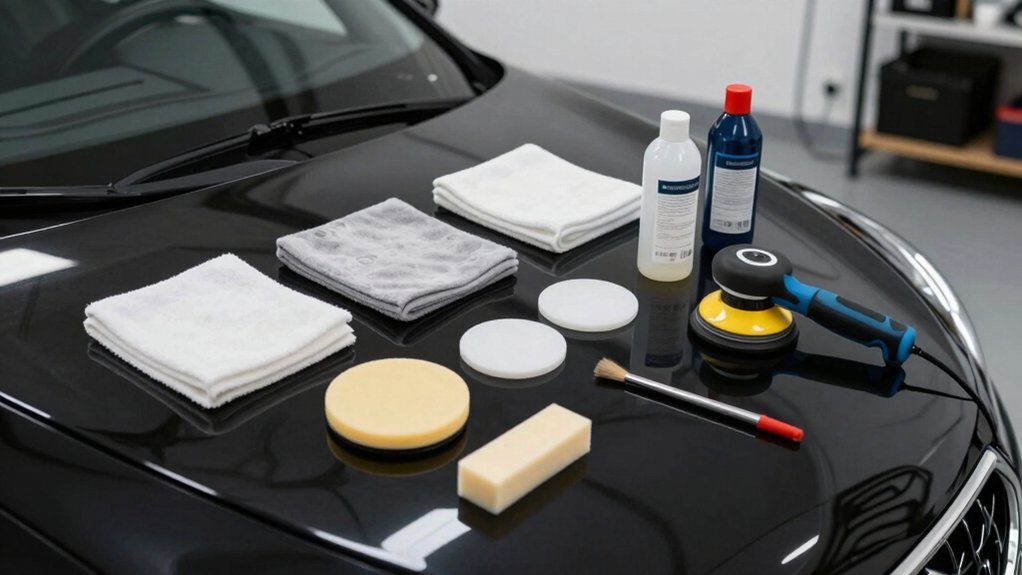
You’ll keep your car pristine with a simple weekly maintenance template: spend 15 minutes on core interior cleaning. Add one rotating deeper task each week (mirror wipe, trunk tidy, tire pressure, wiper fluid or under-seat vacuum). Perform leather or fluid top-offs as needed (10–15 minutes).
Rinse before spot treatment. Use pH‑neutral soap at proper dilution. Test panels and log products. Follow storage and safety practices for concentrates, and continue for detailed steps and troubleshooting.
Quick Overview
- Divide tasks into daily, weekly, and monthly blocks with estimated durations (e.g., core interior clean: 15 minutes weekly).
- Include one rotating bonus task per week: mirror wipe, trunk tidy, tire-pressure check, or wiper-fluid top-off.
- Specify water-spot removal steps: test area, rinse, apply remover, gently agitate, rinse, repeat as needed.
- Use pH-neutral soap with documented dilution ratios (typically 1:100–1:500) and calibrated dispensers.
- Maintain labeled containers, batch logs, test panels, and FIFO storage with spill-response and safety procedures.
Weekly Detailing Task Times
How long should your weekly detailing take? You’ll plan for a 15-minute core routine for weekly maintenance: shake mats, spot vacuum, wipe high-touch surfaces. Then add one rotated bonus tasks each week from a predefined list to cover deeper actions without extending session length.
| Task | Frequency | Time |
|---|---|---|
| Core interior clean | Weekly | 15 min |
| Rotating bonus task | Weekly (one) | Included |
| Leather/top-off fluids | As needed | 10–15 min |
You’ll include deep vacuuming under seats, mirror wiping, trunk tidy, tire pressure check, or wiper fluid top-offs as the weekly bonus tasks. This rotation keeps workload predictable. It prevents backlog and maintains vehicle condition with minimal time investment.
Water Spot Removal Steps
Why are water spots stubborn? They’re mineral deposits that etch paint over time, so you need prompt, methodical removal. Start by testing a small area, then follow a focused sequence.
- Rinse surface thoroughly to remove loose contaminants and evaluate remaining spots.
- Apply a dedicated water-spot remover or dilute acidic calibrant as directed; let dwell briefly.
- Agitate gently with a microfiber and rinse; repeat for persistent etching.
- Neutralize and dry with high-absorbency towels; inspect under direct light.
You’ll prevent recurrence by integrating water spot prevention into your routine. Control drying, use filtered or softened rinse water, and address soap residue subtly when washing to avoid films that mask early stains. Keep records of treatments and outcomes for continuous improvement.
Use pH-Neutral Soap Only
Use only pH-neutral soap to protect clearcoat and sealants. Alkaline or acidic cleaners can strip wax, etch paint, and accelerate fading. Check product labels for mild surfactants and corrosion-inhibiting additives. Follow manufacturer dilution ratios (typically 1:100 to 1:500 for maintenance washes) and measure concentrate with a calibrated dispenser.
Avoid stronger chemistries when paint is chipped, on fresh sealants, or when you need active decontamination. Reserve acid or alkaline formulas for wheel, iron, or heavy-bleed remediation with proper PPE and rinsing.
Why pH Neutral Matters
Many professional detailers stick to pH-neutral soaps because they clean effectively without stripping waxes, sealants, or protective coatings. You’ll preserve applied protection and extend service intervals by avoiding acidic or highly alkaline cleaners that accelerate breakdown.
pH-neutral formulas maintain balanced surfactant activity; they remove soils while minimizing emulsifier residues that could attract grime. In practice, you measure pH, follow dilution rates, and document product lot numbers in maintenance logs to ensure consistency across bays.
Don’t treat soap choice as an unrelated topic or a random concept; it’s an operational parameter that affects product performance, customer expectations, and warranty compliance. Use labeled containers, train staff on dosing, and schedule periodic product audits to validate continued suitability for your detailing workflow.
Effects On Paintwork
How will the soap you choose affect your paintwork over time? pH-neutral soaps clean effectively while preserving waxes, sealants, and ceramic coatings. This means you avoid accelerated degradation from acidic or alkaline cleaners.
You’ll maintain gloss and clear coat integrity by using neutral formulations that strip contaminants without dissolving protective layers. In paint care routines, that means fewer claying and polishing cycles as well as extended service intervals for sealants.
Don’t fall for sealant myths that claim aggressive cleaners improve longevity; they often remove the product or force more frequent reapplication. Use pH-neutral soap for routine washes, verify compatibility with coatings, and document soap types in your maintenance schedule to optimize results and reduce corrective paintwork interventions.
Safe Soap Ingredients
Protection starts with the soap you choose: pick pH-neutral formulations that clean without stripping waxes, sealants, or ceramic coatings. Use a safe soap labeled pH-neutral and biodegradable; you’ll preserve protective layers and reduce etching or accelerated wear.
Evaluate surfactant types: non-ionic blends are gentler. Avoid caustics or high-alkaline detergents that lift protection. For on-site inventory, rotate stock to maintain performance. Check storage and shelf life on manufacturer labels and keep containers sealed, shaded, and between recommended temperatures.
Perform periodic bench tests on sacrificial panels before broad use. Document lot numbers and expiry dates in your maintenance log so you can trace product issues and ensure every wash conforms to protection goals without compromising coatings.
Correct Dilution Ratios
Why does the exact dilution matter? You rely on precise ratios to protect paint, trim, and clearcoat while maintaining cleaning efficacy. Use pH-neutral soap only and follow manufacturer ppm or percentage targets. Measure concentrate with calibrated dispensers or graduated syringes; avoid inconsistent dilution from guesswork or refill swaps.
Log batch concentrations and adjust for water hardness and temperature. Test on a hidden panel after any scent formula change: fragrances can alter surfactant performance. Rinse protocols depend on dilution: higher concentration needs longer contact time but raises risk.
Train staff on ratio charts for daily, weekly, and heavy-debris cycles; label tanks clearly. Regularly verify with test strips or handheld titration kits to ensure repeatable, safe outcomes.
When Not To Use
When dealing with painted surfaces, trim, or clearcoat, don’t use alkaline or acidic cleaners; stick to pH-neutral soap only, because harsh chemistries can etch finishes, strip sealants, and accelerate fading. You should avoid strong degreasers, wheel acids, and concentrated descalers on painted areas; they’re for metal or stone and are an irrelevant topic when addressing finish preservation.
Don’t apply high-pH soaps to vinyl trim or rubber seals. Don’t treat clearcoat with abrasive cleaners or acid-based wheel cleaners. If a product description reads like an unrelated concept to detailing safety, don’t assume it’s safe for paint. Always test new formulas on a hidden panel, follow manufacturer dilution, and prioritize balanced, pH-neutral cleaners to preserve coatings and extend visual life.
Storage And Shelf-Life
How should you store pH-neutral soaps and detailing chemicals to preserve potency and guarantee safety? Store containers in a cool, dry, well-ventilated area away from direct sunlight and heat sources; temperature swings degrade formulations. Keep lids tightly closed and use original, labeled containers to prevent contamination and cross-mixing.
Implement first-in, first-out inventory and record open dates to track shelf life. For bulk and diluted solutions, use opaque, chemically compatible tanks and replace according to manufacturer shelf life tips. Segregate incompatible products and maintain secondary containment to prevent spills.
Train staff on storage safety, proper handling, and spill response. Inspect containers weekly for leaks, sediment, or odor changes; discard and document any compromised product per local disposal regulations.
Frequently Asked Questions
How Often Should I Reapply Paint Sealant for Snowbelt Climates?
You should reapply paint sealant every 3–4 months in snowbelt climates. Climate considerations demand shorter repaint timing because road salt, moisture, and temperature swings break down protection faster.
Inspect the paint monthly for beading and contamination. If water no longer beads or you see dulling, reapply immediately.
Use a durable sealant rated for winter exposure and perform a full decontamination before application to ensure proper adhesion and longevity.
Can Detailing Prevent Rust Under Factory Paint?
Yes, detailing helps with rust prevention under factory paint by removing contaminants, restoring sealants, and applying protective coatings that limit moisture and salt ingress. You’ll want regular paint protection maintenance (wax, sealant, or ceramic) and prompt touch-up of chips to stop corrosion initiation.
Combine thorough cleaning, clay/bar work, and targeted treatments for exposed edges. That practical regimen complements factory paint protection and reduces underpaint rust risk.
Are Steam Cleaners Safe for All Interior Materials?
They’re not universally safe; steam cleaners can work well on many interior materials but can damage others. You’ll use steam cleaners safely on synthetic fabrics, some carpets, rubber, and hard plastics when you control temperature and dwell time.
Avoid high heat on delicate leather, suede, untreated natural fibers, and certain trim adhesives. Test a hidden spot, follow manufacturer specs, and use lower pressure/settings to prevent shrinkage, discoloration, or glue failure.
How Do I Detail After Bird-Dropping Damage Emergency?
You act fast: rinse bird droppings with water, soak briefly, and gently lift residue to avoid etching. This is emergency detailing. Apply a pH-neutral cleaner; clay bar if contaminants remain, then polish and seal paint.
For DIY wheels, use dedicated wheel cleaner and brush to remove acidic fallout. Inside, vacuum debris and clean interior vents with compressed air and a soft brush. Finish with paint sealant and inspect for damage.
Can I Use Household Wax on Matte Finishes?
No, you shouldn’t use household wax on matte finishes. Household waxes contain gloss-enhancing polymers and silicone that create shine and alter the flat appearance. This can cause uneven sheen and potential staining.
Use a dedicated matte paint sealant or water-based, non-reflective protectant formulated for matte finishes. Test any product on an inconspicuous area first; apply sparingly with a soft applicator, and follow manufacturer cure times for best, uniform results.
Conclusion
You’ve now got a compact, practical plan to keep your car looking its best: follow weekly detailing tasks, remove water spots promptly with the right technique, and always choose a pH-neutral soap.
pH-neutral products protect clear coat and paint; they contain safe ingredients and need correct dilution to avoid damage. Store cleaners properly and note shelf life.
Stick to the schedule, use the recommended steps, and you’ll prevent common issues and extend your finish’s life.