Common Detailing Chemical Terms Glossary
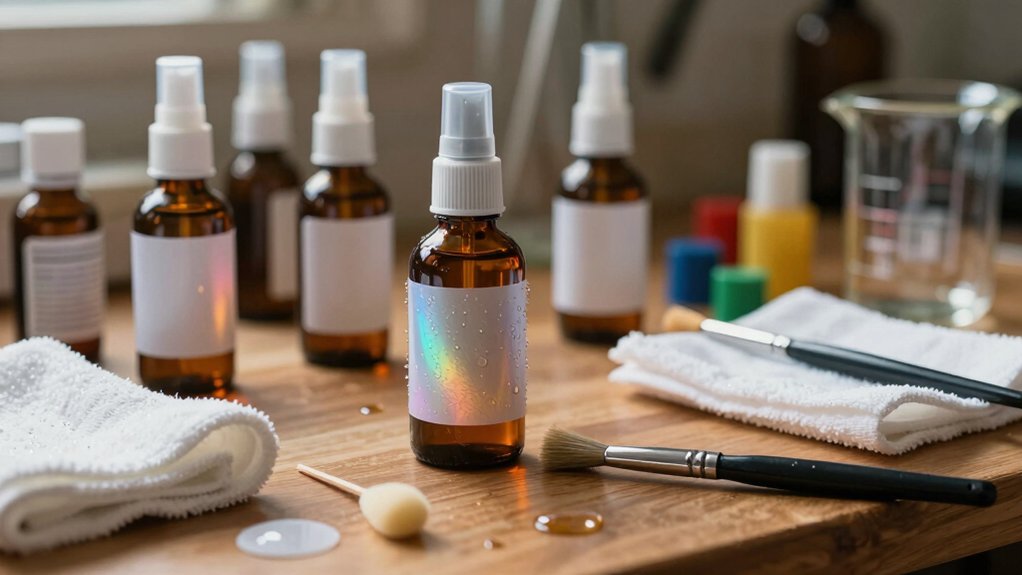
You’ll get clear definitions and safety limits for pH, dilutions, solvent–polymer effects, substrate limits, and storage. This information will help you mix and use detailing chemicals without damaging finishes or injuring yourself.
Follow pH safety bands: avoid ≤2 or ≥12.5. Measure dilutions precisely, test on hidden areas, rinse strong alkalines, and separate incompatible chemistries. Label batches, wear PPE, and store concentrates cool and ventilated.
Keep going, and you’ll pick up practical charts, pairing rules, and handling tips.
Quick Overview
- pH: measures acidity/alkalinity (0–14); extremes (≤2 or ≥12.5) are hazardous and can damage surfaces or skin.
- Dilution ratio: the water-to-concentrate proportion (e.g., 1:10) determining safe, effective strength. Measure and label precisely.
- Surfactant: a wetting agent that lowers surface tension to loosen dirt and improve cleaning action.
- Solvent–polymer compatibility: solvent interaction with paints, plastics, or trim can cause swelling, softening, or stripping. Always test.
- Dwell time: the safe contact duration for a product on a substrate. Exceed cautiously and always rinse strong alkalines thoroughly.
pH Ranges & Safe Limits
When you pick a detailing product, check its pH: solutions at or below pH 2 and at or above pH 12.5 are hazardous and can cause severe burns or material damage. So stick to recommended ranges for each surface: 6–8 for paint, 4–9 for wheels, 7–9 for most interiors, and 8–11 for engine bays. Rinsing thoroughly after using stronger alkalines is essential.
You should prioritize pH stability and use buffering strategies in formulations to prevent drift during use. Test on inconspicuous areas, wear PPE, and avoid prolonged dwell times. Strong acids and alkalines need controlled application and full rinsing.
Monitor product pH regularly and dilute concentrates per label to maintain safety and protect finishes.
| Surface | Safe pH |
|---|---|
| Paint | 6–8 |
| Wheels | 4–9 |
| Interiors | 7–9 |
Mixing Ratios Chart
You’ve already learned safe pH ranges and why dilution matters. Now apply that same care to mixing ratios: accurate dilution keeps chemicals effective and prevents surface damage or personal harm. Use a simple chart or labeled bottles so you never guess when diluting concentrates.
- Start with manufacturer dilution guidance: note ratio (e.g., 1:10) and intended use—prewash, APC, or degreaser.
- Measure precisely: use graduated bottles or cups. Add chemical to water when instructed, and record batch volumes.
- Adjust for condition: stronger on heavy soil, weaker for delicate finishes. Never exceed recommended strength without PPE and testing.
Consistent mixing ratios protect surfaces, maintain product performance, and reduce exposure risks.
Chemical Compatibility Chart
When you consult a chemical compatibility chart, check common pairings, solvent–polymer interactions, and how pH affects stability to prevent reactions that harm surfaces or your health. Respect material substrate limits and follow strict mixing and dilution rules. Never assume two products are safe together without verification.
Always wear appropriate PPE and work in a ventilated area when testing combinations.
Common Chemical Pairings
Why mix cleaners unless you know they’re compatible? You should check mixing order and storage compatibility before combining products. Pair alkaline degreasers with water-based APCs only after confirming pH balance and manufacturer guidance. Never mix strong acids with alkalis; that can release heat or harmful gases.
Keep solvents separate from oxidizers and germicides to avoid reactions and fire risks. For wheel and tire work, use dedicated acidic wheel cleaners apart from alkaline engine degreasers. Rinse thoroughly between steps. When using concentrates, dilute individually and label containers to preserve compatibility.
Always wear appropriate PPE, work in ventilated areas, and store chemicals by class with secondary containment. If in doubt, consult product SDS or vendor support.
Solvent And Polymer Interactions
Following safe mixing and storage practices you learned earlier, now look at how solvents interact with polymers used in paints, sealants, plastics, and trim. This knowledge helps prevent swelling, softening, or loss of adhesion. You’ll use a chemical compatibility chart to match common solvents to polymer types and avoid damage. Note which solvents swell nitrile, soften acrylics, or attack polyurethane and select alternatives accordingly.
Consider solvent polymer interactions when choosing cleaners, degreasers, or formulation solvents to protect finishes. Also factor in storage and temperature considerations: higher temperatures increase solvent activity and diffusion into polymers, while improper storage can concentrate vapors that accelerate degradation. Label containers, segregate incompatible materials, and keep temperatures within recommended ranges to minimize risk.
pH Effects On Compatibility
How does pH influence chemical compatibility with paints, plastics, and sealants? pH determines a product’s potential to etch, swell, or strip polymers and coatings: strong acids can hydrolyze ester-based binders and soften certain acrylics. High-alkaline cleaners can saponify organic resins, lift sealants, and embrittle nitrile-containing trim. You should check pH effects on each substrate before use and follow manufacturer compatibility limits.
Use neutral or mild formulas on sensitive finishes, dilute concentrates per label, and test in an inconspicuous spot. Wear PPE when handling extreme pH products and neutralize spills promptly. Keep a chemical compatibility chart in your bay, note dwell times, and avoid mixing acid and alkaline chemistries. Safety and measured application prevent irreversible damage.
Material Substrate Limits
You’ve already seen how pH affects coatings and polymers; now map those effects to specific substrates so you can choose products and dwell times confidently. Use a chemical compatibility chart that lists metals, painted panels, plastics, rubbers, glass, and composites against common cleaners and decontaminants.
Check for substrate fatigue from repeated exposure: alkaline degreasers and strong acids accelerate breakdown on softer plastics and aged rubber. Prioritize coating adhesion; avoid harsh cleaners or long dwell times on newly coated or sealed surfaces.
Always test a small, hidden area and follow PPE guidance. When in doubt, pick milder formulations or shorten dwell time rather than risk irreversible damage. Log results for future product selection and safe procedure control.
Mixing And Dilution Rules
Why does correct mixing matter? You rely on predictable chemical performance and safety when diluting concentrates. Follow product labels and a chemical compatibility chart to avoid dangerous reactions. Never mix incompatible acids, alkalis, or solvents.
For mixing safety, always add concentrate to water when instructed, wear PPE, and work in a ventilated area. Use calibrated measuring tools and clean containers to ensure dilution accuracy; small errors can reduce effectiveness or create hazardous solutions. Record ratios and batch dates for repeatable results.
If a product shows unexpected heat, fumes, or precipitation, stop and isolate the container. Ventilate and consult the manufacturer’s safety data sheet. Proper mixing preserves surfaces, protects you, and prevents costly incidents.
Storage And Temperature Considerations
Where should you keep concentrates, reducers, and finished mixes to stay safe and preserve performance? Store them in a cool, ventilated area away from direct sunlight and ignition sources. Follow storage guidelines on labels: segregate acids from alkalis; keep solvents in approved containers; and use secondary containment to catch leaks.
Monitor temperature effects: extreme heat can increase pressure or degrade active ingredients. Freezing can separate or rupture containers. Keep an updated chemical compatibility chart nearby so you don’t mix incompatible products during storage or dispensing. Label bottles with contents and date mixed. Rotate stock using first-in, first-out.
Train staff on spill response, PPE requirements, and emergency contacts. Regular inspections and temperature logs reduce risks and preserve product efficacy.
Frequently Asked Questions
How Often Should I Replace Detailing Chemicals After Opening?
You should replace detailing chemicals based on each product’s replace interval and shelf life; generally every 1–3 years after opening. Monitor product aging: changes in smell, separation, color, or performance mean sooner replacement.
Follow storage guidelines: cool, dry, sealed, away from sunlight and heat; and use PPE when handling degraded products. Keep opened dates on labels and rotate stock. Prioritize safety: discard anything that shows contamination or altered chemistry immediately.
Can I Use Automotive Cleaners on Household Items?
You can, but you’ll be cautious: some automotive cleaners can damage finishes, fabrics, or paint on household items. Use only Canadian approved cleaners and test an inconspicuous spot first.
Prefer eco-friendly solvents for indoor use and good ventilation; wear PPE for stronger products. Avoid concentrated degreasers, acidic wheel cleaners, and products labeled for automotive use only. Dilute concentrates per label and store separately from household supplies.
What PPE Is Essential for Everyday Detailing Tasks?
You need gloves, goggles, and a respirator for everyday detailing. Use chemical-resistant gloves, splash goggles, and an N95 or cartridge respirator for solvents. Don’t skip hearing protection when using power washers.
Follow PPE and safety acronyms like PPE, MSDS, and SDS. Refer to glossary terms for product-specific risks. Wear long sleeves and closed shoes, and keep a spill kit nearby. Always ventilate and wash exposed skin promptly.
How Do I Safely Dispose of Leftover Concentrated Chemicals?
You should contact local hazardous waste facilities or municipal collection events for safe disposal of leftover concentrated chemicals. Don’t pour them down drains, into soil, or regular trash; since you’ll cause environmental impact disruption.
Store containers upright, sealed, labeled, and transport per facility instructions. Wear PPE when handling spills; neutralize only if trained, and keep records of disposal. Follow label and local regulations to stay compliant and safe.
Will Detailing Products Void My Vehicle Warranty?
Generally no, using normal detailing products won’t void your vehicle warranty unless you cause damage. You should keep records, follow product instructions, and use recommended concentrations to avoid manufacturer liability concerns.
If a maker claims a warranty denial, they must prove detailing product caused the failure. For protection, use OEM-approved products, document service, and get written confirmation when using specialty chemistries. This way, detailing product warranties support, not jeopardize, coverage.
Conclusion
You’ve learned key chemical terms and limits that keep detailing work safe and effective. Use pH ranges, correct mixing ratios, and compatibility charts to avoid dangerous reactions and substrate damage.
Always follow dilution rules; never mix unknown products, and store chemicals within recommended temperatures. When in doubt, consult labels and material-specific data sheets. Wear proper PPE and test on inconspicuous areas first.
Prioritize safety over speed to protect yourself and the vehicle.