Detailing Brush Bristle Types Explained
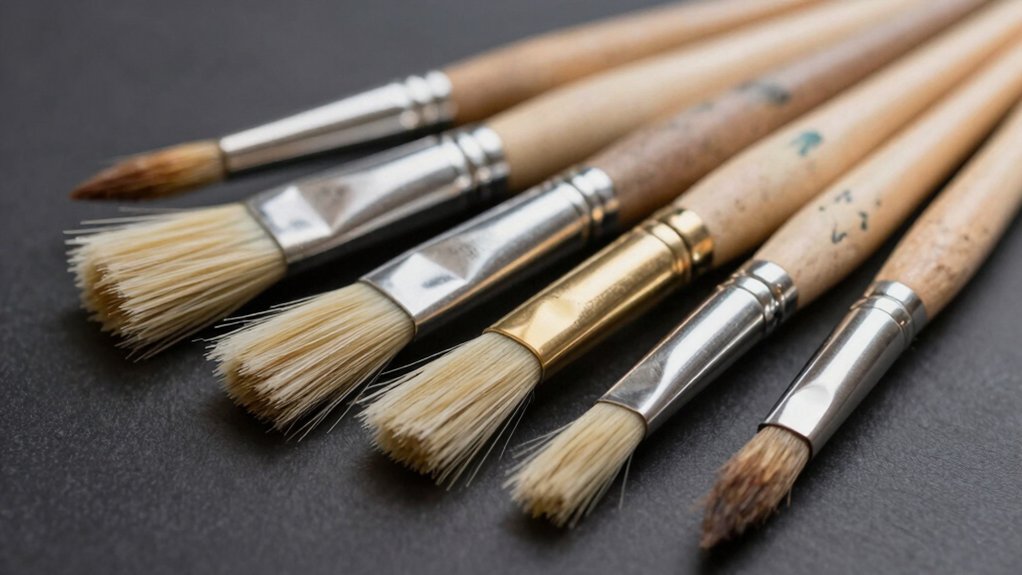
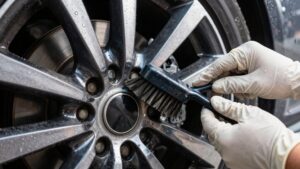
You’ll pick the right detailing brush by matching bristle diameter, density and material to the job: 16–23 mm gives precise control for vents and badges. 30–43 mm balances coverage for panels and grills, and 50–70+ mm maximizes coverage for floors and heavy scrubbing.
Tighter density ups agitation; splayed rows broaden coverage. Use natural hair for gentle tasks and synthetics (nylon, PBT) for heat and chemical resistance. Follow cleaning and temp limits to avoid damage; more specifics follow.
Quick Overview
- Bristle diameter (16–23mm, 30–43mm, 50–70+mm) determines precision versus coverage for vents, panels, and floors respectively.
- Bristle density and geometry (tight vs splayed) control agitation and how broadly the brush cleans.
- Choose stiffness (soft vs stiff) based on surface sensitivity and required scrubbing aggressiveness.
- Natural bristles (horse/boar) are heat- and solvent-sensitive; synthetic (nylon, PBT) tolerate higher temperatures and chemicals.
- Follow proper cleaning, drying, and sterilization routines. Keep temperatures below material-specific limits to avoid bristle damage.
Bristle Diameter Comparison Chart
Think of bristle diameter as the single best predictor of a brush’s fit and function: match diameter to the opening or surface you’re working and you’ll get control, coverage, and the right aggressiveness. You’ll use smaller diameters for vents and calipers. Use medium for panels and grills; large for floors and walls.
Consider brushing geometry and bristle density together: tighter density increases agitation without increasing diameter; splayed density covers more area. Choose stiff or soft bristles per task.
| Diameter Category | Typical Use | Outcome |
|---|---|---|
| 16–23 mm | Vents, badges, calipers | High control, precise contact |
| 30–43 mm | Panels, grills, medium hair | Balanced coverage, volume |
| 50–70+ mm | Floors, heavy duty | Max coverage, aggressive scrub |
Cleaning & Sterilization Guide
A clear cleaning and sterilization routine keeps brushes effective and prevents cross-contamination. You should clean after every use and sterilize regularly based on application. You’ll rinse loose debris, use mild detergent or dedicated brush cleaner, and reshape bristles before drying. For sensitive tasks, follow validated sterilization schedules. Do not buy into sterilization myths that promise instant, universal decontamination.
- Rinse and soak: warm water + gentle detergent; agitate to release grime.
- Disinfect: use appropriate surface-safe disinfectant or isopropyl for synthetic tips.
- Dry and store: air-dry bristles flat or hanging to preserve shape.
Treat natural and synthetic bristles differently. Apply crafting bristle care: avoid harsh solvents on natural hair and limit soak time to prevent damage.
Heat Tolerance Thresholds
You’ll need to match brush type to temperature limits so you don’t ruin bristles or surfaces. Know natural hair’s lower tolerance, synthetic fiber ratings, and which brushes have high-heat coatings that extend lifespan.
Watch for heat deformation signs and follow safe cleaning temperatures to prevent warping or loss of stiffness.
Natural Hair Limits
How hot can natural-hair brushes safely get before they start to degrade? You should treat natural hair limits as conservative: most horsehair and boar bristles tolerate warmth but not sustained high heat. Keep exposure below roughly 60–70°C (140–158°F) to preserve the durability of natural bristles. Above that range, fibers dry, shrink, become brittle and lose resilience; this shortens brush life.
Don’t leave natural brushes on hot surfaces, near direct heaters, or inside closed cars on sunny days. When cleaning, use lukewarm water and avoid hot-water rinses or steam cleaners. Dry brushes flat, away from direct heat, and store them in a ventilated area. These simple steps keep natural brushes functional and extend their serviceable life.
Synthetic Fiber Ratings
Synthetic synthetic bristles tolerate higher temperatures than natural hair, but their heat limits vary by polymer and construction. You should match brush choice to your cleaning method. You’ll find nylon, polyester, PBT and thermoplastic elastomers common. Nylon handles up to roughly 120–200°C depending on grade; PBT around 150°C; and some heat-stabilized nylons exceed that.
Check synthetic fiber ratings on product specs rather than assume all synthetics are equal. For hot-water extraction, steam cleaning, or solvent use, pick polymers rated above your process temperature. Consider core-to-tip bonding that resists delamination. Use detail performance comparisons to weigh heat tolerance against stiffness and solvent resistance. Higher heat tolerance can mean firmer bristles, so balance temperature needs with surface safety.
High-Heat Coatings
Curious how high-heat coatings change what brushes can handle? You’ll rely on high heat coatings to extend a brush’s service where temperature matters. They form a thin protective layer that resists melting, embrittlement, and chemical breakdown. This way, bristles keep shape and function near heat sources.
Check manufacturer ratings for specific temperature thresholds; some coatings tolerate brief spikes, while others endure long exposure. You’ll also notice coated bristles maintain consistent bristle texture under stress. This preservation keeps cleaning performance on hot engine parts, exhaust areas, or heated shop equipment intact.
Match coating type to expected peak and dwell temperatures. Prefer coatings compatible with solvents and degreasers you use. Proper selection prevents premature wear and keeps cleaning predictable.
Heat Deformation Signs
After you’ve matched coatings to temperatures, watch for definitive signs that a brush has passed its heat tolerance. You’ll spot heat deformation as bristles curl, fuse, or become permanently bent. Look for misshapen tips and uneven lengths.
Test bristle elasticity by flexing a small section; if it doesn’t spring back or feels brittle, the polymer matrix has softened or oxidized. Also note discoloration near the ferrule, a subtle cue that internal temperatures exceeded specs.
Don’t assume low odor means safety; off-gassing can be absent despite weakened structure. Replace brushes showing reduced resilience, irregular brushing patterns, or hairs that clump under light pressure.
Keeping records of max temperatures and exposure times prevents repeated failures and maintains consistent detailing results.
Safe Cleaning Temperatures
How hot is too hot for your brush? You’ll typically keep most synthetic bristles below 60°C (140°F) to avoid softening. Ultra-stiff industrial brushes can tolerate higher local heat; however, they still risk tip deformation above 80°C (176°F).
Natural bristles like horsehair and boar handle lower ranges. Stay under 50°C (122°F) to preserve oils and shape. When you raise water temperature to speed cleaning, balance cleaning speed against material limits: hotter isn’t always better.
Test a spare brush at higher temps before full use. Rinse with cool water immediately after hot cleaning to stabilize fibers. Label brushes with their safe temps and intended use so you don’t accidentally shorten service life or change bristle performance.
Storage Temperature Risks
What happens to your brushes when they sit in hot storage? Heat deforms synthetic bristles, warps handles, and can dry out natural hairs, increasing brittleness. You’ll notice splayed tips, reduced flex, and shorter useful life: classic storage temperature risks. Keep brushes below manufacturer heat tolerance thresholds; a cool, ventilated space prevents permanent change.
Also consider cleaning frequency implications: heat-baked residues become harder to remove. You may need more aggressive cleaning or to clean more often, which stresses bristles. Rotate brushes, store upright or hanging to preserve shape, and avoid sealed plastic in direct sun. For sensitive horsehair or boar brushes, use shaded storage with humidity control. Inspect regularly and replace when stiffness or loss of shape compromises performance.
Frequently Asked Questions
Which Bristle Type Is Safest for Vintage Car Paint?
You should use soft natural bristles for vintage car paint. Choose horsehair or ultra-soft synthetic brushes made of a safe material that won’t scratch or lift clear coat.
Work with a gentle cleaning method: light soap, lukewarm water, and soft agitation. Don’t scrub. Rinse frequently, blot dry with a microfiber, and test inconspicuous areas first. That approach preserves paint while effectively lifting dirt without damage.
Can Mixed Natural-Synthetic Bristles Cause Allergic Reactions?
Yes, mixed bristle allergies can occur. If you’re sensitive to animal proteins, natural-synthetic blends may trigger reactions. Synthetic exposure concerns include added chemicals or dyes that irritate skin or respiratory tracts.
You should test brushes on a small skin patch, use gloves and adequate ventilation, and choose hypoallergenic or fully synthetic alternatives if you react. Consult an allergist for persistent symptoms, and check product material labels before use.
Do Bristle Colors Indicate Material or Just Stiffness?
Do bristle colors indicate material or just stiffness? You’ll find color significance mainly signals stiffness and intended use, not strict material. Manufacturers use colors to mark soft, medium, stiff or ultra-stiff grades for tasks: bathroom, kitchen, outdoor, industrial.
Material vs. stiffness matters too: natural or synthetic bristles can share a color but behave differently. So rely on both color coding and product specs to pick the right brush.
Which Brush Works Best for Leather vs. Vinyl Interiors?
For leather vs vinyl interiors, use a soft natural or ultra-soft synthetic brush for leather and a medium-soft synthetic for vinyl. That answers which brush works best.
You’ll want to know which bristle type is safest: horsehair or ultra-soft nylon for leather, medium nylon for vinyl. Avoid stiff or black ultra-stiff bristles near vintage car paint; they can scratch and harm delicate finishes. Clean gently and test first.
Are There Bristles Ideal for Ceramic-Coated Surfaces?
Yes: ceramic safe bristles exist. You should choose ultra-soft natural or ultra-soft synthetic bristles to protect ceramic coatings. Bristle material recommendations favor horsehair or very soft nylon/nylon blends that won’t abrade the clear layer.
You’ll avoid stiff, black or chemical-resistant bristles. Use gentle agitation; pick bullet-shaped or soft flat tips for crevices. Rinse debris often so grit doesn’t scratch the coating while you clean.
Conclusion
You’ve seen how bristle diameter, material, and coatings affect performance and heat tolerance. So, choose brushes that match your tasks and cleaning methods. Rinse and sterilize per material limits. Avoid high temperatures on natural hair, and watch for softening or misshapen tips as signs of heat damage.
Store brushes dry at moderate temperatures to prevent deformation or mold. With routine checks and the right care, your brushes will stay reliable and safe.