Detailing Brush Size Guide
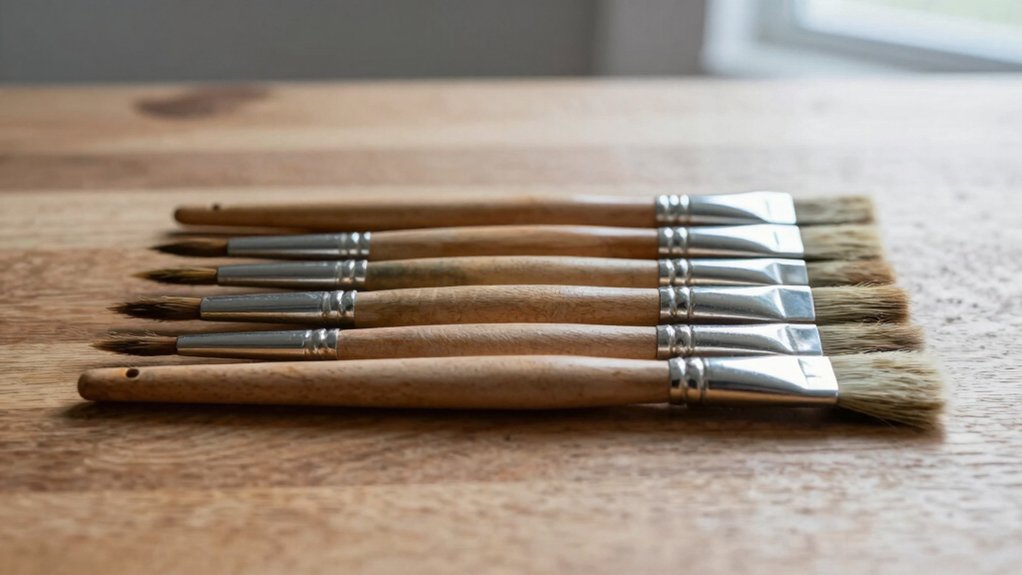
Pick bristle length by task: short, firm bristles for heavy scrubbing and flat panels; long, flexible bristles for contours, crevices, and grills. Check bristle diameter tolerance—narrow for fine edges, medium for general work, wide for heavy coatings. Tolerances typically ±0.02, ±0.05, ±0.10 mm.
Match handle length to reach and control: short (3–6″) for precision; long (9–12″) for leverage and overhead. Keep grip style and storage in mind. More details and examples follow.
Quick Overview
- Match bristle length to task: short for heavy scrubbing and flat surfaces, long for contours, crevices, and faucets.
- Check bristle diameter tolerance: narrow for fine edges, medium for general use, wide for heavy coatings and load.
- Choose handle length by access: short (3–6″) for tight spaces and precision; long (9–12″) for reach and leverage.
- Use short handles for fingertip control and detailed trim. Use long handles for consistent strokes on large or overhead areas.
- Pair varying bristle lengths and diameters in kits to balance scrubbing power, contouring ability, and material release.
Bristle Length Comparison Chart
Wondering which bristle length you should pick for a task? You’ll choose short bristles for aggressive, level scrubbing and long bristles for wraparound access into crevices.
Consider detailing brush ergonomics: long bristles let you use lighter wrist motion on contours; short bristles give firmer feedback for scrubbing. Match material compatibility: soft long filaments for delicate vents and screens; stiffer short filaments for rims and grout.
| Bristle Length | Best Use |
|---|---|
| Short | Heavy scrubbing, flat surfaces, counters |
| Long | Contours, crevices, faucets, grills |
Pick the narrowest tool that fits the job, rinse often to avoid grit, and pair lengths within kits for balanced performance.
Bristle Diameter Tolerance Chart
After choosing bristle length, you should check bristle diameter tolerances because filament thickness directly affects paint hold, stroke feel, and edge control. You’ll compare nominal bristle diameter values against manufacturer tolerance bands to match brush performance to the job.
Narrow diameters give finer edges and quicker release; larger diameters hold more paint and push thicker coatings.
- Fine tolerance (±0.02 mm): precision detail work, thin filaments, tight edge control
- Medium tolerance (±0.05 mm): general purpose, balanced paint hold and responsiveness
- Wide tolerance (±0.10 mm): heavy coatings, thicker filaments, increased load capacity
Use bristle length, comparison charts and stated tolerance to choose brushes that deliver consistent strokes and predictable paint behavior.
Handle Length Recommendations
Choose a handle length that matches the job: short handles give you control for detailed work and tight spaces, while long handles improve reach and leverage on large surfaces.
Match handle style to your grip: pinch, palm, or full-hand grips change how balanced the brush feels and how steady your strokes are. For awkward angles or high areas, favor longer handles. However, keep a short-handle option for precision and closer surface work.
Ideal Handle Lengths
How long should your brush handle be for the job at hand? You want a length that preserves brush balance and supports grip ergonomics, so control feels natural. For tight detail or overhead work, choose shorter handles (about 3–6 inches) to keep the tool close to your fingers and improve precision.
For general trim and cabinetry, medium handles (6–9 inches) offer a stable compromise between reach and torque. For long, flat surfaces or elevated tasks, longer handles (9–12 inches) let you extend reach without overflexing your wrist.
Match handle length to brush size and task: heavier, wider brushes need longer handles for leverage. Fine detailers benefit from compact handles for fingertip control.
Short Handles Benefits
If you need pinpoint control for fine work, short-handled brushes give you the best feel and feedback. You’ll work closer to the surface, so every subtle wrist motion translates directly to the tip. Short handles shorten the distance between your hand and the bristles; this improves stability for tight lines, small panels, and detailed trim. They’re lighter in hand and reduce unwanted leverage that causes overstroke.
Pay attention to grip ergonomics: choose handles shaped for a comfortable pinch and reduced tension in your thumb and forefinger. For prolonged detail sessions, a well-contoured short handle cuts fatigue and preserves steady strokes. Use short handles when precision matters and when you need consistent, confident control.
Long Handles Advantages
Why reach for a long-handle brush when painting larger surfaces or working from a ladder? You get reach, balance, and control without stretching or awkward twisting. Long handles let you stand farther from the work, reducing fatigue and improving sightlines. This helps you keep consistent brush strokes across broad areas.
For ceilings, walls, and high trim, choose a handle length that keeps your wrist neutral and your elbow slightly bent; that minimizes shaking and maintains steady pressure. Long handles also give better leverage for smooth, even passes when using wider flats. This helps you load and release paint predictably.
Match handle length to job scale: shorter long handles for ladders, longer for open walls. You’ll work safer and finish faster.
Painter Grip Styles
Which grip you choose will directly affect control, fatigue, and the handle length that fits each job. You’ll favor short handles for detail grips where palm placement is close to the ferrule for tiny, precise strokes. Long handles suit overhand or extended grips when you need reach and fluid wrist motion.
Match grip texture to your hold: a smooth shaft aids sliding adjustments, while a textured grip prevents slippage during longer sessions. Consider ferrule design and bristle conditioning when selecting handle length; stiffer, well-conditioned bristles pair with shorter handles for control, while softer, conditioned bristles benefit from longer handles to moderate pressure.
Try each grip style on typical tasks to confirm comfort, balance, and reduced fatigue.
Surface And Reach
After you’ve figured out grips and handle feel, pick handle length based on the surface and how far you need to reach: short handles put your hand close to the ferrule for tight control on trim, cabinets, and fine detail work. Long handles give leverage and smoother wrist movement for easel painting, high walls, or overhead trim.
Choose short handles when working low or on small surfaces to enhance precision; they pair well with short bristle length for crisp edges and controlled strokes. Use medium handles for general-purpose work and variable surface reach.
Opt for long handles when you need sweep, reach, or distance from wet paint. Match handle length to task, balancing control, leverage, and fatigue for efficient, accurate results.
Storage And Portability
Thinking about storage and portability, choose handle lengths that match how you’ll transport and store your brushes: short-handled brushes pack neatly into tool rolls, small cases, and drawer organizers for easy travel and tight storage. Medium to long handles need larger tubes or hanging racks; they are better suited to mobile kits with protective sheaths.
You’ll prefer short handles for compact kits and fieldwork: they reduce snagging and fit the bristle length comparison chart entries that list short-handle, short-bristle detailers. Medium handles balance control and portability for mixed jobs. Long handles belong in studio sets where hanging racks or long tubes provide secure storage.
Check bristle diameter tolerance chart recommendations for ferrule fit and protective caps to avoid deformation during transport.
Frequently Asked Questions
How Do Synthetic vs. Natural Hairs Affect Fine-Point Durability?
Synthetic hairs usually give you better fine-point durability because synthetic durability resists fraying, retains tip shape, and tolerates solvents and cleaning.
Natural hairs offer great paint pickup and a softer feel; however, natural durability is lower. Tips wear faster, especially with heavy use or harsh solvents. You’ll pick synthetics for longevity and crisp lines. You will choose naturals when you need exceptional paint laydown, accepting more frequent replacement.
Can a Detailer Brush Be Used for Lettering and Script Work?
Yes, you can use a detailer brush for lettering and script work. Its lettering usefulness comes from short bristles and fine tips. Durability with synthetic hairs is excellent for solvents and frequent cleaning after oils. Natural hairs offer softer flow but less toughness.
Choose tip shapes for stippling versus crisp lines. Consider travel size replaceable tips for portability and long-term precision. Clean promptly to preserve point.
How Should I Clean Detailer Brushes After Oil-Based Paints?
You clean detailer brushes by wiping excess paint. Then rinse in mineral spirits until mostly clear. Work solvent through synthetic vs. natural bristles gently. After that, wash with warm soapy water to remove residue. Rinse thoroughly, reshape bristles, and let dry flat or hanging.
For oil based paint care, avoid hot water and harsh twisting. Store in protective sleeves to preserve tip and durability.
What Tip Shapes Are Best for Stippling and Dot Work?
Short, stiff round tips or fan tips work best for stippling techniques and dot work artistry. You’ll get controlled, crisp dots with short-round or filbert brushes that hold a small paint load. Stiffer synthetic bristles give better bounce for repeatable texture; softer rounds suit blended stippling.
For larger texture, use a small fan or chip brush. Keep bristle length short for precision and consistent dot spacing.
Are Travel-Size Detailer Brushes Available With Replaceable Tips?
Yes, you can find travel-size detailer brushes with replaceable tips. You’ll get compact handles and screw- or snap-on ferrules; this allows you to swap heads easily. Choose synthetic vs. natural hairs based on durability: synthetics resist wear, solvents, and retain shape better. Natural hairs offer softer pickup but wear faster.
Carry spares for patterns or wear, and check ferrule fit compatibility before you buy to avoid loose or misaligned tips.
Conclusion
You’ve seen how bristle length, diameter tolerance, and handle length affect control, coverage, and comfort. Now pick what fits your grip, reach, and storage needs. Use short handles for close detail and long handles when you need reach or loosened wrist movement.
Match bristle diameter to paint thickness and surface texture. Store brushes properly to protect bristles and keep options portable. Choose deliberately, test, and adjust to refine your results.