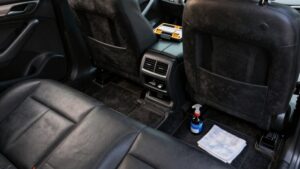
How to Clean Car Dashboard Without Streaks
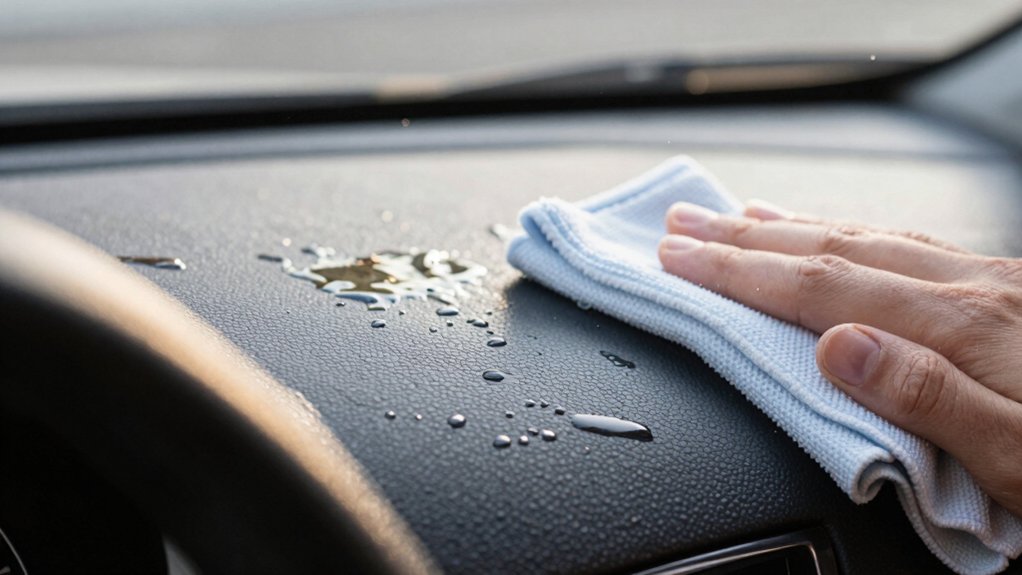
Use a pH‑balanced interior cleaner and separate microfiber towels for vinyl and leather.
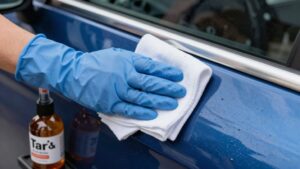
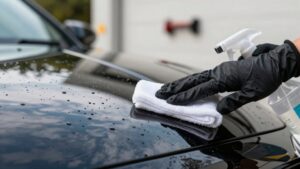
Spray cleaner onto the towel, not the dash, and work small sections with straight‑line passes.
Avoid ammonia, glossy dressings, and over‑saturating surfaces.
Allow a short flash time; then dry with a clean towel for a matte, streak‑free finish.
Follow leather with conditioner and finish vinyl with a thin UV protectant if compatible.
Keep testing hidden spots and you’ll find tips to refine the process.
Quick Overview
- Use a pH-neutral interior cleaner sprayed onto a microfiber towel, not directly onto the dashboard.
- Work in small sections with straight-line passes. Allow a short flash time before wiping dry.
- Use separate towels for vinyl/plastic and leather to prevent cross-contamination and residue transfer.
- Perform a final dry wipe with a clean microfiber to remove any leftover product and eliminate streaks.
- Choose matte-finish, UV-safe products free of ammonia or harsh solvents to protect surfaces without glossy residue.
Vinyl vs. Leather Dashboard Care
While both vinyl and leather dashboards look similar at a glance, they demand different cleaners and techniques to avoid streaks and long-term damage. You’ll treat vinyl care and leather conditioning as separate steps: spray a pH-neutral interior cleaner onto a microfiber, wipe evenly, and avoid oversaturation on vinyl. On leather, use a dedicated cleaner, wipe gently, and then apply conditioner to restore suppleness.
Use multiple clean towels to prevent cross-contamination and work in small sections with straight-line passes. Test unfamiliar products on a hidden spot. Avoid ammonia, harsh solvents, and glossy dressings that trap grime. Choose products like Griot’s or Stoner’s for vinyl, and leather-specific brands for conditioning to keep finishes matte, residue-free, and durable.
| Surface | Best practice |
|---|---|
| Vinyl | Microfiber + pH-neutral |
| Leather | Cleaner then conditioner |
| Hybrid | Multi-surface cleaner |
| Tooling | Multiple clean towels |
UV-safe Cleaning Checklist
Why choose UV-safe cleaning? You want protection that cleans without degrading surfaces, especially when deciding between vinyl vs leather care. Use a concise UV-safe cleaning checklist to keep finishes stable and streak-free.
- Choose a pH-balanced, UV safe interior detailer labeled for both vinyl and leather.
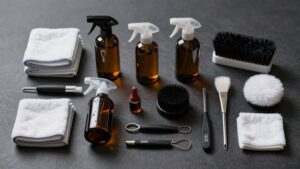
- Stock microfiber towels and one scrub pad; reserve separate towels for vinyl vs leather to avoid cross-contamination.
- Spray cleaner onto towel, work in small sections, allow flash time, then do a dry final wipe for a streak-free matte finish.
- Finish with a thin UV protectant layer if product specifies compatibility. Avoid overloads that attract dust or leave sheen.
Follow this checklist for consistent, product-savvy results.
Avoid Ammonia-Based Cleaners
You should avoid ammonia-based cleaners because they can strip protective coatings, dry out vinyl, and dull plastics on your dashboard. Check ingredient labels for “ammonia” or “alkaline builders” and do a quick patch test on a hidden area before full use.
Pick a pH-balanced, ammonia-free interior detailer designed for multi-material dashboards to preserve appearance and improve visibility without streaks.
Protect Interior Materials
Ammonia-based cleaners can quickly strip color and finish from plastics, vinyl, and leather, so do not use them on your dashboard or trim. You will protect surfaces by choosing neutral-pH, automotive-specific interior detailers that support streak-free techniques and provide UV inhibition without leaving oily residue.
Test products on an inconspicuous spot; then apply to a microfiber folded section. Never spray directly to control dosage and prevent saturation. Maintain strict cross-contamination avoidance: use separate towels for heavily soiled zones, flip to clean faces frequently, and retire stained cloths.
For leather, use a pH-balanced leather cleaner applied sparingly and conditioned afterward. For vinyl and plastic, pick a matte-finish formula. These steps preserve color, texture, and factory finishes while minimizing streaks and long-term damage.
Identify Harmful Ingredients
How do you spot cleaners that will strip or haze your dashboard? Read labels methodically: avoid any that list ammonia first or include generic “solvent” terms. Ammonia-based formulas evaporate quickly but can dull plastics and vinyl, leaving hazy patches.
Also watch for harmful fragrances and unnecessary dyes; they mask solvent strength and can leave residue. Check ingredient order: active harsh solvents and strong surfactants will appear near the top. If a product touts heavy gloss or “all-in-one protectant” without specifying chemistry, be skeptical.
Test discreetly on a hidden edge before full application. Take photos of label ingredients if you’re comparing products later; that keeps selections objective and helps prevent streak-causing damage.
Choose Safer Alternatives
If a label flags ammonia or vague “solvents,” look for safer alternatives that clean without risking hazing or plastic degradation. You’ll want products marketed as smell-free alternatives and non-toxic formulations so you don’t trade streaks for fumes or material damage.
Choose pH-balanced interior detailers or water-based cabin cleaners designed for plastics and vinyl; they remove grime without leaving greasy residues that cause streaking. Prefer formulations that specify “no solvents” or “ammonia-free” and list ingredients plainly.
Apply sparingly to a microfiber towel, work in straight passes, and finish with a dry fold to eliminate haze. Keep a separate towel for final polishing to avoid cross-contamination and maintain the cleaner’s streak-free performance.
Test On Hidden Area
Why not check a small, hidden spot first to see how the cleaner behaves on your dashboard’s material? You should perform a hidden area test before using any product, especially if you’re avoiding ammonia-based cleaners. Apply a tiny amount to a concealed seam or underside; wait a minute, then wipe with a clean microfiber.
Look for color change, softening, or film. If the surface tolerates the product, repeat a streak-free test by working a slightly larger area and finishing with a dry, flipped towel to confirm no haze or residue appears. That two-step check catches compatibility problems and prevents irreversible staining or shine.
Keep notes on product results so you can choose the safest, streak-free option next time.
Benefits For Visibility
After you confirm a cleaner won’t harm the material, pick products that protect visibility by avoiding ammonia-based formulas. Ammonia can fog or etch interior glass and leave a faint haze that catches sunlight and worsens glare. You’ll get consistent, streak free visibility when you choose water-based or alcohol-based interior detailers labeled safe for glass and plastics.
Apply sparingly to a microfiber, work in straight passes, then finish with a dry towel to remove any residue. Prioritize products with anti-reflective or matte finishes and UV protection to maintain glare reduction over time. Test any new product on a hidden spot, rotate clean towels, and avoid dressings that leave oily films. Those undo streak control and increase windshield glare.
Frequently Asked Questions
How Often Should I Deep-Clean the Dashboard for Best Results?
You should deep clean the dashboard every 3–6 months for best results; busy or dusty cars may need a 2–3 month cadence. You’ll get optimal protection and reduced streaking by pairing deep clean cadence with monthly light maintenance using a streak-free interior detailer.
Always use microfiber towels, work in small sections, and avoid over-saturating surfaces so products absorb evenly and you preserve dashboard materials.
Can Dashboard Protectants Attract More Dust Over Time?
Yes, protectants can attract more dust over time if they leave product residue. You’ll notice dust buildup sticks to shiny or oily films from dressings, especially when you overapply or don’t wipe excess.
Use matte, residue-free interior detailers and apply sparingly to a towel. Then buff with a clean microfiber. That method minimizes residue, reduces dust attraction, and keeps surfaces looking clean longer while protecting against UV damage.
Are Scented Interior Cleaners Safe for Closed Cars?
Yes, you can use scented cleaners, but prioritize closed car safety by ventilating before and after application. Choose low-VOC, automotive-formulated scented cleaners and spray onto a microfiber towel, not directly onto surfaces.
Work in small sections, wipe evenly, then air the cabin with doors open for several minutes. Avoid strong fragrances around children, pets, or asthma sufferers. Follow product labels to limit lingering odors and chemical buildup.
Can Dashboard Cleaners Damage Digital Screens or Instrument Clusters?
Yes, harsh cleaners and solvents can damage screens, dashboard sensors, and affect screen calibration. You should avoid ammonia and alcohol-heavy formulas, as well as abrasive pads.
Spray a recommended streak-free interior detailer onto a clean microfiber, not directly onto displays. Wipe gently in straight passes, let any residue flash off, and then dry with a fresh towel. Use manufacturer-safe products to preserve touch response, calibration, and sensor function.
Is It Okay to Use a Household Glass Cleaner on Vents?
You shouldn’t routinely use household glass cleaner on vents. Household formulas can leave residues that worsen dust buildup and increase cleaning risk for plastic and coatings. They may also cause vent condensation that traps grime.
Instead, use a mild, automotive-safe interior cleaner or a dedicated vent spray. Apply to a microfiber or soft brush; work gently, then dry thoroughly. That prevents damage and avoids attracting more dust over time.
Conclusion
Wrap up by tailoring care to your dashboard material: treat vinyl and leather differently. Avoid ammonia-based cleaners, and always test products on a hidden spot. Use UV-safe formulas and non-greasy applicators to prevent streaks and protect trims.
Check ingredient lists for harmful solvents and choose safer alternatives like pH-balanced cleaners or mild leather conditioners. Regular, methodical maintenance keeps surfaces clear, improves visibility, and extends interior life. You’ll spend less time cleaning and more driving.