How to Clean Car Fabric Seats
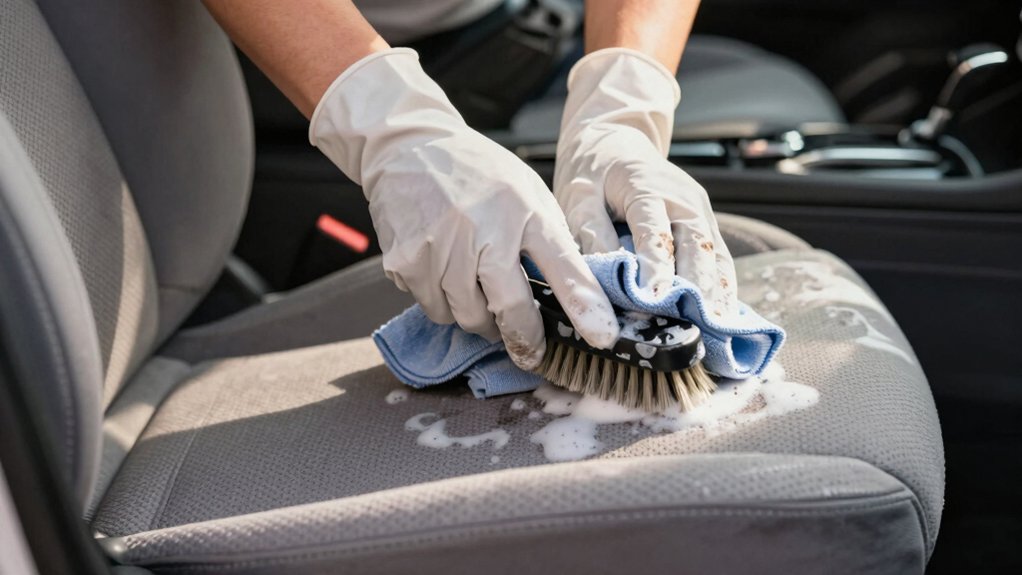
Start by identifying the stain type (oil, mud, ink, food) and work from the edges toward the center. Brush off dry debris; blot liquids with a microfiber. Then apply a 1:2 dish-soap-to-water mix or a factory-approved upholstery cleaner for tougher spots. Always test on a hidden seam first.
Use a soft brush and extract excess moisture. Air-dry with good airflow or a fan. Finish by vacuuming the pile. Keep going for detailed cleaner choices, ratios, and fabric-specific drying times.
Quick Overview
- Identify the stain type (grease, mud, ink, food) and work from the edges inward using a soft brush and damp microfiber.
- Mix dish liquid and water 1:2 for general cleaning; use factory-approved cleaners for tougher stains and follow label ratios.
- Test any cleaner on a hidden seam for 10 minutes before treating visible fabric.
- Blot excess moisture. Use a wet-vac or low-moisture extraction, and air-dry with fans or open doors for faster drying.
- Match drying expectations to fabric: synthetics dry fastest; velvet and wool take longer. Ensure completely dry before reuse and vacuum to restore nap.
Fabric Stain Removal Chart
How do you tackle each stain without guessing? You follow a clear chart: identify stain, pre-treat, choose cleaner, apply, extract, dry. Don’t get distracted by an irrelevant topic or unrelated cleanup steps; stick to product-appropriate actions and test hidden areas first.
| Stain | Initial Action | Cleaner/Method |
|---|---|---|
| Grease/oil | Powder absorbent 15–20 min | Dab, rubbing alcohol if needed |
| Mud/dirt | Let dry, brush, vacuum | Scrub with detergent + warm water |
| Ink/food | Blot/dab solids | Rubbing alcohol for ink; dish soap for food |
Work from edges inward. Use a soft brush and a damp microfiber for extraction. Blot to dry. Air-dry fully before use; repeat only if residue remains.
Cleaning Solution Ratios
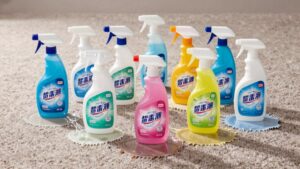
After you identify the stain and pick the right cleaner from the chart, measure your cleaning solutions precisely so you don’t over- or under-concentrate them. Use the recommended 1:2 dish-liquid-to-water for general cleaning; stronger stains may need a factory-approved upholstery cleaner at label ratios. Test each mix on a hidden seam for 10 minutes.
Don’t substitute random household chemicals; avoid unrelated topic ingredients that cause color loss. Keep a spray bottle for even application and a separate container for spot treatments to prevent cross-contamination.
- Feel relief: accurate ratios protect fabric integrity.
- Gain confidence: labeled products reduce guesswork.
- Avoid regret: over-concentration risks staining.
- Stay focused: no off topic discussion, just measured mixes.
Measure, test, apply, and blot.
Drying Times by Fabric Type
Identify the fabric type first: cotton/polyester blends, microfiber/synthetics, velvet/plush, or wool/natural fibers. This will help you set expectations for drying time. Use towels to blot. Then, air out the car with doors open and direct sunlight or a fan to speed drying while monitoring delicate fibers.
Note that synthetics and microfiber dry fastest. Velvet and wool take longer and benefit from gentle airflow and indirect sun to avoid damage.
Cotton And Polyester Blends
Wondering how long cotton-polyester blend seats take to dry? You’ll usually see surface dry times of 1–3 hours and full internal drying in 6–12 hours, depending on humidity, ventilation, and how wet you got the cushions. Work methodically: blot excess moisture with clean towels. Then, leave doors open or use a fan aimed into the cabin.
Use a wet-vac to speed extraction and cut drying by several hours. Avoid oversaturating; fabric blends absorb differently than pure cotton, so test a small area. Treat stains promptly; don’t rely on stain myths that encourage soaking.
After drying, vacuum to lift nap and check for trapped damp spots before reinstalling floor mats or using the car.
Microfiber And Synthetic Fabrics
If your cotton-poly blend seats took several hours to dry, expect microfiber and other synthetic fabrics to dry faster under the same conditions. You’ll still follow microfiber care basics: vacuum, blot excess moisture with clean towels, and avoid oversaturation to speed drying.
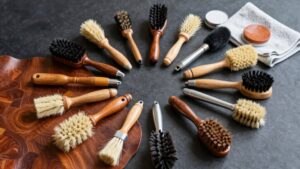
Use a mild, car-safe cleaner and a soft-bristled brush; test first in an inconspicuous spot. After rinsing lightly, leave doors or windows open and park in shade or indirect sun to prevent heat spots.
For synthetic fabric care, circulate air with a portable fan or run the car’s blower on low; this cuts drying time without stressing fibers. Finish with a final vacuum once fully dry to restore nap and remove residue.
Velvet And Plush Materials
How long will velvet or plush car seats take to dry after cleaning? Expect 4 to 12 hours for surface dryness and up to 24 hours for deeper layers, depending on humidity and airflow. For velvet maintenance and plush care, blot immediately with clean towels. Then, leave doors open or use a fan to speed drying.
Avoid heat guns; they can crush pile. Use minimal cleaning solution to prevent oversaturation—test first in a hidden spot. If you use a portable upholstery extractor, extract thoroughly and follow with towel blotting. For stubborn dampness, position a low-heat dehumidifier near the seats overnight.
Once fully dry, brush pile gently with a soft-bristled brush to restore texture and vacuum to finish.
Wool And Natural Fibers
Velvet and plush need careful blotting and gentle airflow to avoid crushing fibers. Wool or other natural fibers demand similar care but with longer drying times and gentler handling. Test an inconspicuous spot for dye sensitivity before wet cleaning; natural fibers often bleed or shrink.
Use minimal water and a wool-safe cleaner or mild detergent diluted per label. Blot—don’t rub—with microfibre cloths. Then press absorbent towels to lift moisture. For thicker weaves, expect extended drying; weave variation affects trapped moisture and drying rate.
Use low-moisture extraction or a wet vac sparingly. Replace towels frequently and check for residual dampness in seams. Wait until completely dry before sitting or applying protectors to prevent mildew and distortion of the fiber.
Ventilation And Sunlight Effects
Generally, you’ll speed drying by maximizing airflow and sunlight while matching exposure to the fabric type: open doors or windows and run fans or the car’s blower to force air through the cabin. Avoid prolonged direct sun or high heat on delicate or natural fibers (wool, plush) that can shrink or fade.
For nylon or polyester, use moderate sun and a fan; these synthetics dry in a few hours. For wool, plush, or dyed fabrics, rely on shaded airflow and low heat. Expect 12–24 hours. Use a wet-vac or towels to reduce moisture first.
Ignore ventilation myths that claim sealed cabins dry faster; they trap humidity. Counter sunlight misconceptions that more is always better: controlled exposure preserves color and texture. Check for complete dryness before reusing.
Frequently Asked Questions
Can I Machine-Wash Removable Car Seat Covers Safely?
Yes, you can machine wash removable covers if the label permits. Remove covers and check tags for machine washing instructions and temperature limits. Unzip or detach hardware.
Use a gentle cycle, cold water, and mild detergent; avoid bleach. Wash similar colors together, use a laundry bag for delicate trims, and air-dry to prevent shrinkage.
Refit only when fully dry, and consider fabric protector spray afterward for longer wear.
Will Cleaning Void My Car Seat Warranty?
Cleaning generally won’t void your car seat warranty if you follow manufacturer guidelines. Does warranty voiding, cleaning? No, not automatically. Use recommended products and methods. Certification not required; risk assessment not needed for routine cleaning.
Avoid harsh chemicals or modifications. Document products used, and keep receipts. If you doubt, check your warranty terms or contact the dealer before using solvents, steam, or aftermarket protectors to prevent disputes.
How Often Should I Apply Fabric Protector Spray?
You should reapply protective spray every 3–6 months for optimal fabric care frequency. If you’ve treated high-traffic seats or often transport kids or pets, do it every 3 months.
Check protective spray effectiveness by sprinkling water; beading means it’s still effective. Clean and dry seats first, follow product instructions, and test an inconspicuous area.
Reapply after deep cleaning, steam, or heavy staining to restore repellency and extend fabric life.
Can Pets Damage Fabric Seats Beyond Cleaning?
Yes, pets damage fabric seats beyond normal cleaning. You should check for claw snags, saliva stains, and embedded fur that trap odors, risk, and bacteria.
Use vacuuming, enzyme cleaners for urine, and rubbing alcohol for oil-based spots. Test products on hidden areas; spot-treat with a soft brush, then blot and dry thoroughly.
Consider seat covers and fabric protector sprays to prevent future structural wear and lingering odors.
Is Professional Steam Cleaning Better Than DIY Methods?
Yes, professional steam cleaning is generally better than DIY limitations for deep sanitizing and extraction. You’ll get higher heat, stronger suction, and trained operators who avoid oversaturation and fabric damage.
Use pros for heavy soil, set-in odors, or pet contamination. For light maintenance, you can DIY with proper vacuums, fabric-safe cleaners, and gentle brushing.
Weigh cost versus severity; book pros when stains or mold risk exceed your tools.
Conclusion
You’ve got the tools and ratios, so treat each fabric on your car seats with the right method. Test cleaners on a hidden spot, blot stains instead of rubbing, and follow drying times for cotton, polyester blends, microfiber, velvet, and wool.
Use gentle detergents or specialty products where indicated; keep airflow steady, and avoid direct sun on delicate fibers. Clean methodically, work small sections, and re-treat stubborn spots until the fabric looks even.