How to Neutralize Smoke Smell in Car
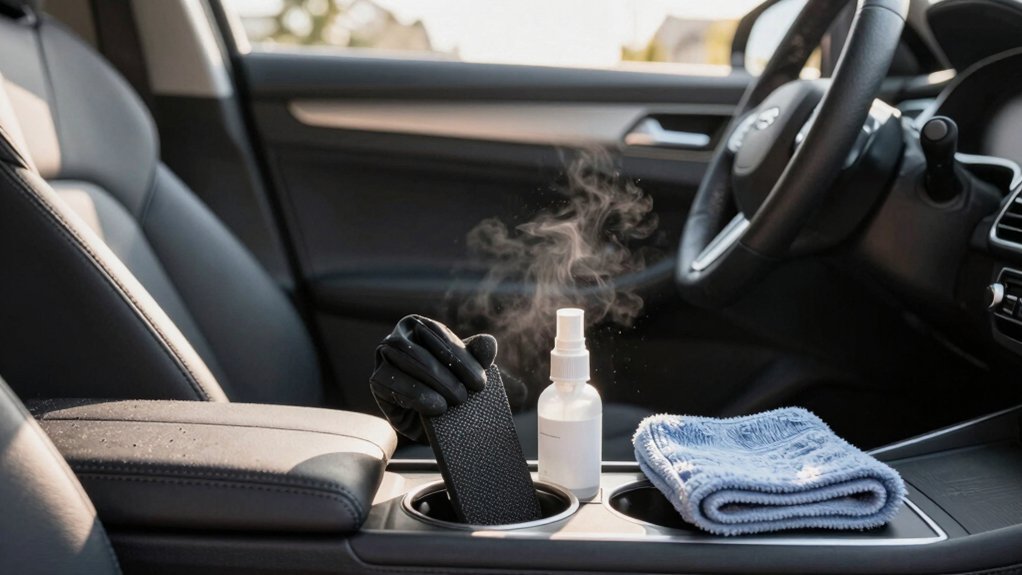
Start by cleaning all surfaces:
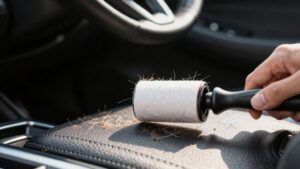
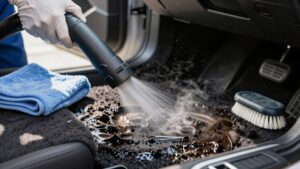
Vacuum carpets and seats, shampoo upholstery with an enzyme or foaming cleaner, wipe hard surfaces, and remove trash and ash.
Ventilate with windows or sunroof open and run the fan on fresh-air mode in short bursts. Air out for several hours if very smoky.
Use an odor-elimination method matched to severity: Baking soda or charcoal for light smells, ozone or chlorine dioxide for severe cases. Follow safety directions; keep going for step-by-step guidance.
Quick Overview
- Start by deep-cleaning: remove ash, vacuum thoroughly, and shampoo seats, carpets, headliner, and floor mats.
- Use enzyme or neutral-pH fabric cleaners and foaming carpet shampoo; test hidden spots and agitate with a stiff brush.
- For persistent smoke, use top-tier treatments: ozone, thermal fog, or chlorine dioxide, which should be professionally applied for safety.
- Between treatments, ventilate with short high-fan bursts (5–10 minutes) and repeat 3–4 cycles. Use cross-ventilation for longer airing.
- Finish with a fabric-safe odor eliminator spray; let dry, then vacuum. Keep a small touch-up kit in the trunk for future rides.
Odor Elimination Effectiveness Chart
The chart below gives you a practical, side-by-side view of proven smoke-odor treatments so you can pick the right level of intervention for your car. You’ll see which methods deliver lasting smell neutralization, which are supportive, and which mostly mask. Use this to plan cleaning, HVAC, or advanced remediation based on contamination and safety.
| Method Category | Typical Tools | Expected Result |
|---|---|---|
| Top-tier | Ozone, Thermal fog, Chlorine dioxide | Permanent elimination |
| Mid-tier | P&S system, Bio Bomb, Odor-block sprays | Strong remediation with prep |
| Low-tier | Baking soda, Vinegar, Charcoal | Temporary absorption/masking |
Start with cleaning. Then choose the tier that matches severity and safety constraints for best odor remediation.
Fabric-Cleaning Product List
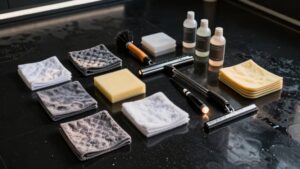
If you’ve used the chart to pick a remediation level, next focus on fabric-cleaning products that actually remove smoke residue from seats, carpets, and mats. Choose enzyme upholstery cleaners for deep lift; foaming carpet cleaners for pile and mats; and a neutral pH upholstery shampoo to avoid fabric damage. Test hidden spots, follow dwell times, and agitate with a stiff brush before blotting.
After cleaning, apply a fabric-safe odor elimination spray to break down remaining smoke molecules rather than mask them. Repeat on heavily soiled areas and vacuum when dry. Keep a small kit in the trunk for touch-ups after rides where smoking occurred.
- Stained seat fibers softened by foaming cleaner
- Carpet nap lifted by brush strokes
- Damp spots drying with faint citrus scent
Ventilation Duration Guidelines
You’ll want a clear plan for airing the car: short bursts of ventilation for quick odor reduction and longer sessions when smoke is entrenched. Decide whether to open windows or the sunroof based on wind and rain. Never run recirculation while ventilating, and factor in temperature and humidity when scheduling airing.
Next, we’ll outline exact timings for bursts versus extended airing and tips for different weather conditions.
Short Burst Ventilation
Wondering how long to crack the windows and run the fan when airing out smoke? Use short burst ventilation: open all doors or two windows, set the fan to high, and run for 5–10 minutes. That timeframe maximizes ventilation effectiveness by quickly exchanging cabin air without needing prolonged exposure.
Repeat bursts—three to four cycles spaced 10–15 minutes apart—if the smell persists. This allows residual smoke to migrate out between bursts. For safety, keep the car stationary in a well-ventilated area and avoid running the engine unnecessarily.
Short bursts work best right after cleaning surfaces and before placing absorbers or treatments. Track results and extend only if needed; don’t confuse this tactic with longer airing strategies covered elsewhere.
Extended Airing Sessions
Short burst ventilation helps dislodge fresh smoke, but for lingering odors you’ll need longer airing to flush embedded particulates and off-gassing from plastics and fabrics. Plan extended airing sessions of several hours on dry, breezy days. Open all doors and the windows in a cross-ventilation pattern. If you have a sunroof, stagger openings so fresh air moves from front to rear; adjust sunroof timing to boost flow without creating turbulence that resettles dust.
Repeat full airing for 2–4 days; longer if smoke was heavy. Monitor odor between sessions and clean surfaces before airing to avoid redistributing residues. Finish with a shorter burst of high-speed fan ventilation to clear remaining particulates from ducts and cabin spaces.
Window Vs Sunroof Open
Which opening works best, windows or the sunroof, depends on how long you can ventilate and where the smoke has settled. If smoke is shallow (air, upholstery surface), open windows fully and use a cross-breeze. Window operation favors faster exchange at lower risk of stirring deep-set particulates.
For longer airing (several hours), open the sunroof plus some windows to create vertical flow. Sunroof effects draw warm, smoky air upward and out, speeding clearance from headliner and vents.
Short session (15–30 minutes): prioritize windows and fan on high. Multi-hour session: combine sunroof and staggered window openings for continuous airflow. Monitor odor; stop when smell noticeably fades and surfaces feel less smoky.
Recirculation Mode Risks
When you move from choosing windows or the sunroof for airing out the car, consider how recirculation mode affects how long you should run ventilation. Recirculation keeps cabin air inside to cool or heat faster; however, it traps smoke and particulates. Only use it briefly if you need rapid temperature control while actively removing smoke with open windows or the sunroof.
Use recirculation sparingly: limit to a few minutes to avoid concentrating smoke. For risk mitigation, switch to fresh-air mode as soon as temperature stabilizes and run the fan high to flush ducts. If you must cycle recirculation, alternate five minutes of recirculation with ten minutes of fresh intake.
Monitor odor and particulates; resume full fresh intake until scent and visible haze clear for complete recirculation risks control.
Weather-Based Timing
How long you should run ventilation depends on temperature, humidity, and wind; so plan timing around weather to get the fastest, safest fresh-air flush.
In cool, dry, windy conditions, you can ventilate for 20–30 minutes with windows cracked and fan on high. Wind and low humidity speed removal.
In hot, dry sun exposure, open all doors and windows for 10–15 minutes. Then run A/C with fresh air intake for another 20 to pull odors from ducts.
In humid or still conditions, extend airing to 40–60 minutes and use dehumidifier or A/C to prevent moisture trapping odors.
Check weather timing before you start. Avoid ventilating during pollen-heavy or smoky outdoor days, and adjust durations accordingly.
Frequently Asked Questions
Can Smoke Smell Damage Car Electronics or Airbags?
Yes, smoke smell can harm car electronics and airbags over time. You’ll find tar and nicotine residues corrode connectors, clog vents, and leave deposits on sensors.
Airbag modules can attract grime that may impede deployment if maintenance is neglected. When doing odor removal, avoid harsh odor removal chemicals directly on electronics or airbags. Instead, clean surfaces carefully, use targeted professional HVAC/ozone treatments, and inspect electronics and safety systems afterward.
Will Smoke Residue Affect Vehicle Resale Value?
Yes, smoke residue can lower your vehicle’s resale value. Buyers notice stained upholstery, persistent odors, and nicotine film on surfaces. Therefore, resale value impact ranges from minor price reductions to deterring offers entirely.
You should document deep cleaning: shampoo carpets, clean vents, replace cabin filter, and use odor-neutralizing treatments. Getting professional detailing or an ozone treatment before listing helps recoup value and reassure potential buyers.
Can Pets Be Harmed by Odor-Removal Chemicals?
Yes, pets can be harmed by odor-removal chemicals. You should avoid spraying strong aerosols, ozone generators, Lysol, and concentrated cleaners around animals.
Idea one: ventilate thoroughly and keep pets out during and after treatment until fumes clear.
Discussion two: use natural absorbers (baking soda, charcoal, citrus) and isolated bowls of vinegar instead. If using commercial products, read labels, follow safety times, and consult your vet for specific sensitivities.
How Long Before Smoking Is Safe Again Inside Car?
You should wait at least 24–48 hours after thorough cleaning and odor treatments before smoking again. However, full smell timelines vary. Follow safety guidelines: ventilate fully, run HVAC with fresh air, and ensure cleaners, ozone, or chemicals have dissipated.
If you used ozone or strong disinfectants, wait 48–72 hours and air out longer. Test by smell and sensitivity. If any lingering odor or irritation remains, delay smoking until it’s gone.
Do Warranties Cover Smoke-Related Interior Damage?
Generally no; you’ll find most warranties don’t cover smoke repair because smoke damage falls under warranty exclusions like misuse, neglect, or interior contamination. Check your warranty booklet for specific exclusions and required maintenance.
If you want coverage, document preexisting conditions. Ask the dealer about extended interior protection plans and consider paid smoke repair specialists. Keep receipts and photos; they’ll strengthen disputes if you argue coverage.
Conclusion
You’ve got practical steps to cut smoke smell fast and for good. Start by airing the car briefly after each trip. Then run longer airing sessions with windows or sunroof open and the fan on fresh air (not recirculate).
Use recommended fabric cleaners on seats and carpets; test products first and repeat as needed. Time ventilation for favorable weather. Track what works with the effectiveness chart and adjust frequency until the odor’s gone.