Leather Cleaner Vs Conditioner Difference
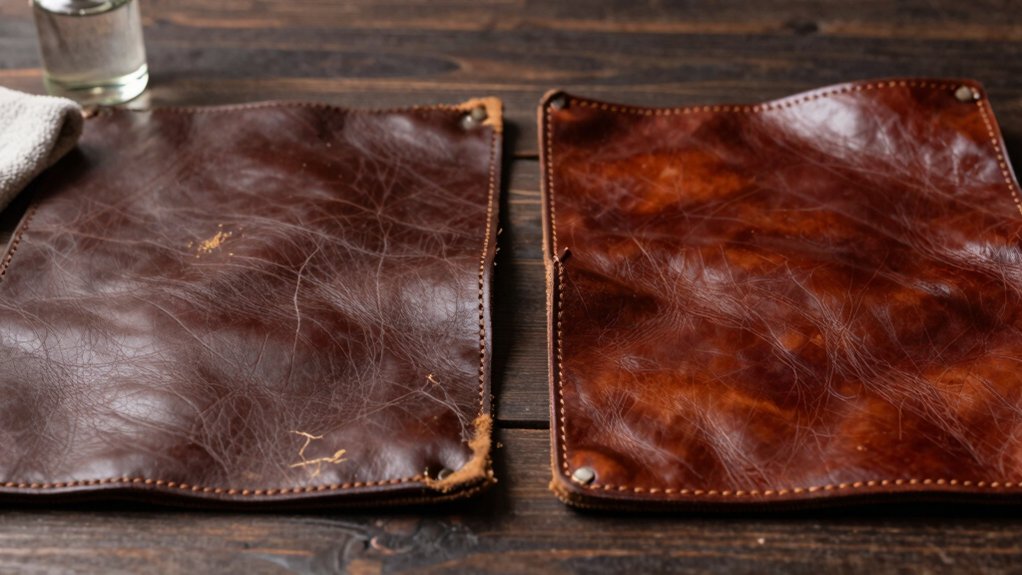
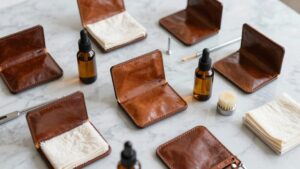
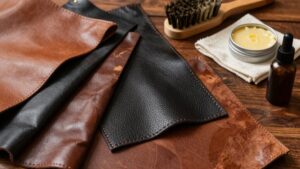
A leather cleaner removes dirt, oils, and surface contaminants using mild, pH‑balanced formulas so you don’t strip or damage the hide. A conditioner restores lost oils and flexibility with gentle, pH‑stable ingredients to prevent drying and cracking.
Clean first to avoid trapping grime. Then condition to replenish and protect; always test a hidden spot for dye transfer. Use matched cleaner/conditioner kits and barrier products for light leathers if you want step‑by‑step care and long‑term color protection.
Quick Overview
- Cleaners remove surface dirt, oils, and stains without adding moisture or nourishing oils to the leather. Conditioners restore lost oils and flexibility; they prevent drying, cracking, and premature aging of leather fibers.
- Cleaners should be pH-balanced and low-solvent. Conditioners should be pH-stable and free of harsh alcohols or solvent-heavy ingredients.
- Use cleaner first to remove contaminants. Let leather fully dry, then apply conditioner to avoid trapping dirt or reactivating dyes.
- Test both products in an inconspicuous spot to check dye stability and prevent color transfer or surface damage.
pH Levels and Solvents
How acidic or alkaline a product is matters because leather naturally sits slightly acidic (around pH 4.5–5). Using cleaners or conditioners far from that range can trigger chemical reactions that strip oils and weaken fibers. You’ll prioritize pH balance and solvent compatibility when choosing products: cleaners should be near leather’s pH to preserve fiber integrity. Conditioners restore moisture control and finish protection without causing dye transfer.
Check product composition and formulation safety for tannage effects and environmental impact. Apply cleaners first for cleaning efficacy. Then condition with pH-tuned chemistry using careful application technique to prevent stain prevention failures. The right solvent choice maintains material compatibility and aging resilience across leather care routines.
| Product | pH | Solvent |
|---|---|---|
| Cleaner | 5.0 | Water-based |
| Conditioner | 6.8 | Oil/emollient |
Approved pH-Safe Product List
Now that you know how pH and solvents affect leather, pick products that match leather’s mildly acidic range to avoid weakening fibers or stripping dyes. Use an approved pH safe product list so you grab cleaners and conditioners formulated for leather’s pH, not generic household detergents. You’ll protect dyes, finishes, and stitch integrity by choosing labeled, tested options.
- pH-balanced leather cleaner (mild,
- pH-stable conditioner (natural oils, no harsh alcohols)
- Neutral pH saddle soap alternative (for finished leathers)
- Manufacturer-recommended maintenance kit (matched cleaner + conditioner)
Test any new item in an inconspicuous spot first. Keep a concise inventory of approved pH safe products for consistent, safe care.
Leather Dye Transfer Risks
You’ll want to watch for dye transfer when dark or new garments meet lighter leather, since rubbing and moisture can pull dye into pores and finish layers. Learn to spot affected leather by checking for surface smudges, uneven darkening, or dye bleeding at seams. Then follow preventive steps: test garments, use color-safe barriers, and limit contact in damp conditions.
When cleaning, use pH-safe cleaners and targeted stain removers. Condition afterward to lock pigments and maintain regular protection to reduce long-term color loss.
Dye Transfer Causes
Why does dye from other materials sometimes stain your leather? Often it’s because unstable leather dye or excess pigment in fabrics migrates when rubbed or exposed to moisture. You’ll see color transfer where non-fast dyes meet finished leather, especially on lighter hides.
Heat, humidity, and friction loosen dye bonds in clothing, vinyl, or denim; this allows particles to embed in pores and surface finishes. Oils, sweat, and cleaners can reactivate dyes; this increases transfer risk. Poorly finished leather or worn topcoats lack a protective barrier, so dye adheres more readily.
To reduce risks, avoid prolonged contact with richly dyed textiles. Keep leather dry, and use a suitable protector after cleaning and conditioning to reinforce the finish and resist color migration.
Identifying Affected Leather
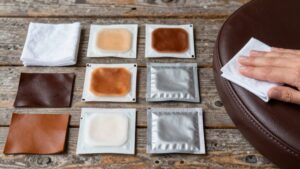
How can you tell if leather is at risk of dye transfer? Look for vibrant or unstable dyes, especially on new, untreated items or garments with intense colors. Test discreet areas with a damp white cloth. If color smudges, you’re identifying affected pieces that pose dye transfer risks.
Check seams, edges, and areas of friction where dye rubs off first. Pale or light-colored leather is more vulnerable to staining from dark fabrics or wet dye. Also note items with worn finishes or missing protective coatings; those surfaces absorb migrating pigments more readily.
Keep records of test spots and inspect regularly after cleaning. Being proactive in identifying affected leather helps you choose appropriate care without jumping to treatment steps.
Preventive Treatment Steps
Since you’ve already identified pieces prone to dye transfer, focus next on preventive steps that stop pigment migration before it starts. You’ll want to isolate high-risk items and limit contact with light-colored leathers.
Use barrier products designed for pigment locking and test discreet areas first. Schedule preventive care into your routine: inspect seams and edges monthly; treat vulnerable areas seasonally; and note maintenance timing for each item.
When storing, keep leathers separated and wrapped in breathable cloth to prevent dye rubbing. Avoid leaving dyed fabrics against leather for long periods. Keep humidity and temperature stable to reduce dye bleed.
Document treatments and outcomes so you can adjust intervals and products. This will help maintain leather appearance and lifespan proactively.
Safe Cleaning Methods
Worried about color transfer when you clean leather? You should test hidden areas first and use pH-balanced cleaners to prevent dye migration. Blot gently; never rub aggressively, which can lift dye and cause irreversible color change.
Use minimal moisture; excess water spreads dye and weakens finishes. If dye transfers, stop immediately and switch to a dry-application method or a solvent recommended by the leather maker. Avoid household solvents that leave toxic residue or strip protective coatings.
Wear gloves and work in a ventilated area when using stronger products. After cleaning, let leather air-dry fully before applying conditioner so trapped dye doesn’t reabsorb. When in doubt, consult a pro to avoid permanent staining or finish damage.
Long-Term Color Protection
Ever wondered why your favorite leather jacket sometimes leaves marks on light-colored seats? Dye transfer happens when surface dyes migrate, especially from new, poorly fixed, or wet leather. To preserve long term color, clean first to remove oils that loosen dye. Then condition with products formulated for colorfastness.
You’ll want protection strategies like testing hidden spots, using pH-neutral cleaners, and choosing conditioners with UV inhibitors to slow fading. Avoid silicone or solvent-based treatments that can react with dyes. For high-risk items, apply a dedicated color-locking protector or topical sealant following manufacturer instructions.
Regular maintenance—gentle cleaning, timely conditioning, and occasional reapplication of a protector—keeps color stable and reduces transfer risks.
Frequently Asked Questions
Can I Use Conditioner on Faux Leather Instead of Cleaner?
You can use conditioner on faux leather, but it’s not always ideal. Can conditioner restore faux leather? Faux materials don’t absorb like real leather; therefore, conditioners may sit on the surface, attract dirt, or leave residue. Faux leather suitability depends on product formulation: choose conditioners made for synthetics or use mild cleaner first.
Test a hidden spot; apply sparingly and follow manufacturer care instructions to avoid damage or sticky buildup.
How Often Should I Clean Car Leather Seats Annually?
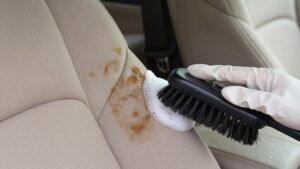
You should clean car leather seats at least four times yearly. For an annual schedule, do a deep clean and condition every 3 months; increase to monthly if you have kids, pets, or heavy use. Quick wipe-downs weekly remove surface dirt and spills. Perform a thorough vacuum and leather-safe cleaner before conditioning during each quarterly session.
Stick to this routine, and you’ll maintain suppleness, prevent cracking, and extend your seats’ lifespan.
Will Conditioner Darken Light-Colored Leather Permanently?
Conditioner can darken light-colored leather temporarily or permanently depending on the product and leather. You’ll notice immediate darkening that often lightens as the conditioner absorbs and dries. Some formulas with oils or dyes can cause lasting color change.
To manage darkening concern, test on an inconspicuous spot first and choose a clear, non-dye conditioner with known conditioner durability. Apply sparingly, let it absorb, and repeat only if color and suppleness remain acceptable.
Can I Mix Different Brands of Cleaner and Conditioner?
You can mix cleaners and conditioners from different brands, but you shouldn’t do it casually. Can mixing cleaners cause problems? Yes; ingredients may clash, strip dyes, or leave residues.
Check brand compatibility and test a hidden area first. Respect cleaner vs conditioner differences: always clean before conditioning. If labels conflict or ingredients aren’t disclosed, stick to the same line or consult the manufacturer to avoid uneven finish or damage.
How Long Should I Wait Between Cleaning and Conditioning?
Wait about 15–30 minutes after cleaning before you condition so the leather surface dries. The waiting period lets residue evaporate. If the cleaner left visible dampness, extend to an hour.
Check manufacturer instructions for specific drying times and product compatibility; don’t mix incompatible chemistries. Test a small hidden area first. You’ll assure the conditioner penetrates evenly, avoid sealing in moisture or contaminants, and protect leather longevity.
Conclusion
You’ve learned that cleaners remove dirt with specific pH and solvents, while conditioners restore oils and flexibility without changing color. Use only pH-safe, approved products to avoid dye transfer. Spot-test unfamiliar cleaners on hidden seams. If dye transfer shows, act quickly: blot, use a recommended leather cleaner, then condition to rebalance moisture.
For long-term protection, clean gently and condition periodically. Store leather away from heat and direct sunlight to keep color and suppleness.