Spray Bottle and Sprayer Chemical Compatibility Chart
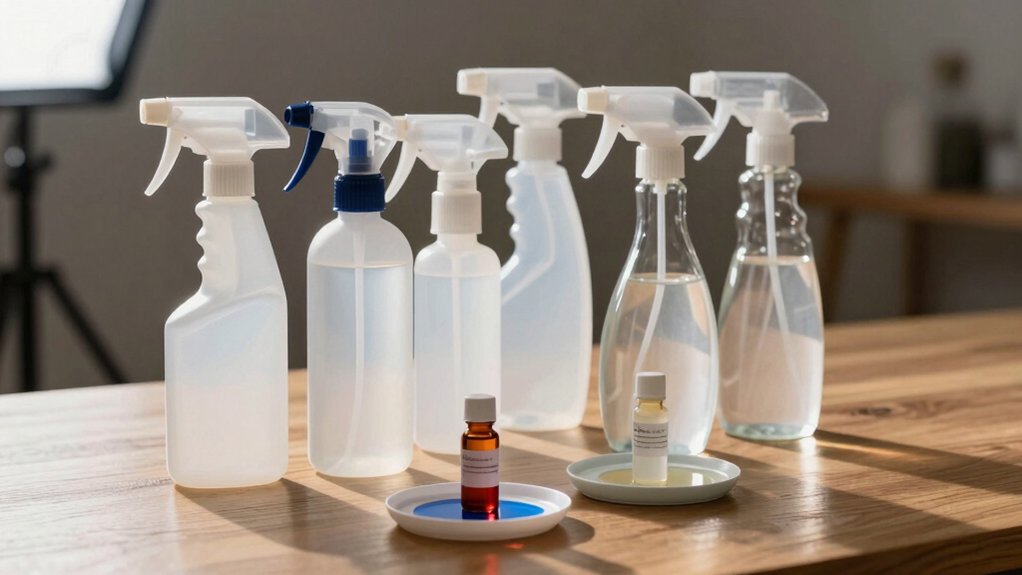
Use a compatibility matrix: match bottle body (PE/ESD PE, PP, HDPE, nickel-plated steel, brass, PTFE) and seal (Viton, EPDM, Teflon) to your chemical family, concentration and temperature. Set strict maximum concentrations and temp limits (e.g., 20–50°C ranges); apply 10–30% safety margins, and segregate oxidizers/strong acids and solvents.
Dilute precisely, label limits, and inspect after excursions. Follow conditional codes and replace suspect parts promptly. Continue for detailed selection, dilution and labeling rules.
Quick Overview
- Check a compatibility chart mapping sprayer body and seal materials (PE, ESD-PE, PP, Viton, Teflon, nickel-plated steel, brass) to chemical families.
- Use maximum concentration limits per chemical family and treat listed values as strict cutoffs unless validated by testing.
- Apply temperature and exposure-duration limits; for example, 20°C–50°C tested ranges and mark min/max storage temps on labels.
- Reduce permissible concentrations 10–30% as a safety margin for higher temperatures, longer exposure, or uncertain material ratings.
- Segregate oxidizers, acids, and solvents. Document material selections and stop use if swelling, cracking, or odors appear.
Material Compatibility Matrix
Why choose the right material for your sprayer? You need consistent performance and safe storage: material choice controls resistance to solvents, temperature, and exposure duration. Use ESd polyethylene for controlled environments where static matters. Select water based-compatible formulations for aqueous cleaners.
Inspect wall thickness and seals (Viton preferred) and match them to chemical family and concentration. Avoid metal sprayers for waterborne products; they corrode. Verify resistance codes (A/B/C) against expected temperature and contact time.
| Material | Best Use |
|---|---|
| Standard PE + Viton | General solvents, many cleaners |
| ESd polyethylene | Static-sensitive areas, aqueous use |
| Nickel-plated steel | Aggressive solvents (non-water) |
| Brass | Conditional: acids/alkalis |
| Polypropylene/Teflon | Aggressive chemicals |
Chemical Storage Temperature Limits
After you pick the right sprayer materials and seal types, set clear temperature limits for stored chemicals because heat and cold change reaction rates, vapor pressures, and material compatibility. You’ll define temperature guidelines per chemical family, noting tested ranges (20°C and 50°C) and shortening service life at elevated temperatures.
Store oxidizers and acids separately with monitored ambient limits. Keep solvents away from heat sources and spark risks. Ensure container ventilation where vapour buildup is possible, using vented cabinets or passive ventilation rated for the solvent class.
- Mark maximum and minimum storage temperatures on labels and inventory lists.
- Inspect container wall thickness and seals after temperature excursions.
- Log exposure durations and adjust reuse or disposal based on documented resistance tests.
Maximum Chemical Concentration Limits
You should establish clear concentration thresholds for each chemical family and note the tested limits that define serviceability. Verify material compatibility limits for sprayer bodies and seals at those concentrations. Apply conservative safety margins where testing is incomplete or conditions (temperature, exposure time) vary.
When diluting, follow precise dilution practices and label final concentrations and associated risks to maintain safe handling and storage.
Concentration Thresholds Defined
Because chemical performance and container integrity hinge on concentration, you should treat maximum concentration limits as strict operational boundaries rather than guidelines. You’ll implement color coding on labels and in user guidelines to instantly flag concentration tiers: green for full compatibility, amber for conditional use with limits, and red for prohibited concentrations.
Verify the active ingredient percentage before filling. Never exceed the listed threshold for the sprayer material and seal type. Control temperature and exposure duration; higher heat or prolonged contact can lower safe concentration ceilings. Document batch concentrations and test diluted formulations when in doubt.
If a formulation approaches an amber threshold, choose a higher-rated container or reduce concentration to maintain a continuous safe margin.
Material Compatibility Limits
When evaluating material compatibility limits, treat stated maximum concentration values as strict cutoffs rather than flexible guidelines. Exceeding them, even slightly, can cause rapid degradation of seals, stress cracking in plastics, or loss of spray performance. You must verify concentration, temperature, and exposure duration against manufacturer data. Non-chemical factors like container wall thickness, physical condition, and UV exposure change effective limits.
Test or confirm at intended operating temperatures; ratings at 20°C can shift at 50°C and for planned contact time (7‑day vs 30‑day). Follow resistance codes (A/B/C) to select materials; avoid C-rated combinations regardless of concentration. Document selections and hold records for regulatory compliance and safe service intervals. Replace components at the first sign of distress.
Dilution Best Practices
How concentrated should your solutions be to preserve sprayer integrity and ensure safe use? You should set maximum chemical concentration limits based on material compatibility, temperature, and exposure duration.
Verify dilution accuracy with calibrated measures and label mixed batches immediately. Limit concentrations for plastics rated Code B and HDPE to manufacturer recommendations; avoid high-strength acids, ketones, and oxidizers that cause rapid degradation.
Monitor for concentration drift during storage and use, especially when solvents evaporate or water evaporates under heat. When in doubt, dilute to the lowest effective concentration and test a small-area compatibility trial for 7–30 days at expected temperatures.
Record results, adjust limits, and replace seals or containers showing swelling, crazing, or loss of function.
Labeling Concentration Risks
Why set maximum concentration limits for sprayer use? You must prevent material failure, chemical permeation, and unsafe reactions by enforcing clear labeling concentration limits on containers and technical sheets.
During risk assessment, compare intended formulation strength to tested concentration intervals (7-day, 30-day; 20°C, 50°C) and to material ratings (A/B/C). If concentration approaches a B rating threshold, restrict use or choose a higher-resistance sprayer body and seals. Document maximum permissible concentrations on labels; include temperature and exposure duration; and note incompatible chemistries (oxidizers, ketones, phenols).
Train operators to follow labeled limits and to stop use if swelling, stress cracking, or odor appears. Accurate labeling concentration plus formal risk assessment reduces unexpected failures and protects users.
Safety Margin Guidelines
Building on labeled concentration limits and documented risk assessments, you should set safety margins that cap maximum chemical concentrations below tested failure thresholds to protect sprayer materials and users. Apply a conservative buffer: for example, reduce maximum listed concentrations by 10–30% depending on temperature, exposure duration, and material rating. Document the rationale. Verify margins against Code A/B/C ratings, wall thickness, and seal composition; treat Code B as conditionally acceptable with tighter margins.
Exclude unrelated topic commentary or irrelevant issues from technical records to avoid confusion. Record test conditions (20°C/50°C, 7/30 days) and enforce supplier-specified limits. If uncertainty remains, declassify the use case or require specialized containers rather than increasing concentration.
High-Strength Exceptions
When might you justify a high-strength exception for a chemical beyond standard listed concentrations? You’d grant high strength exceptions only after validated testing under your exact use conditions: concentration, exposure duration, container wall thickness, and material composition.
Require manufacturer or lab data showing no degradation at both ambient and elevated chemical storage temperature limits (20°C and 50°C). Limit exceptions to short-term, documented tasks with monitoring and replacement schedules tied to exposure duration: 7-day, 30-day checkpoints.
Verify seals, spray mechanisms, and compatibility codes (A/B/C) remain acceptable; don’t rely on general solvent compatibility lists. Log approvals, label containers with concentration and temperature restrictions, and segregate higher-strength stocks in ventilated, designated cabinets to minimize risk.
Frequently Asked Questions
Can I Mix Different Chemicals Inside One Sprayer Safely?
No, you shouldn’t mix different chemicals in one sprayer. You must assess cross contamination risks and avoid chemical incompatibility that can create dangerous reactions, loss of effectiveness, or container damage.
Always flush and rinse thoroughly between uses. Verify material compatibility for residues and store incompatible products separately. When unsure, use dedicated sprayers or follow manufacturer guidelines to prevent hazardous mixtures, corrosion, or seal failure.
How Do I Dispose of a Sprayer That Held Hazardous Solvents?
You should never pour residues down drains. To dispose of sprayer hazardous waste, triple-rinse the sprayer with an appropriate solvent; collect rinsate as hazardous waste and label it. Contact your local household hazardous waste facility for recycling spray equipment disposal or hazardous waste pickup.
Remove and dispose of seals and pumps per local regs if contaminated. Keep documentation, use PPE during handling, and follow transporter and landfill restrictions to prevent environmental harm.
Are There Seal or Gasket Materials I Should Avoid?
Yes, you should avoid seals and gasket materials that swell, crack or dissolve with your chemicals. Check seal materials and gasket compatibility against solvents like acetones, ketones, strong oxidizers, perchlorates, concentrated nitric acid and phenol.
Don’t use standard rubber or non-fluorinated elastomers with PERC-based, ketone or flammable solvents. Prefer PTFE, Viton, or polypropylene where specified. Always verify temperature, concentration and exposure duration before use.
What Personal Protective Equipment Is Recommended When Refilling?
You should wear chemical-resistant glove selection based on the product: nitrile for solvents, neoprene for mild acids/bases, Viton or butyl for strong solvents/oxidizers. Also, wear ANSI-rated eye protection: splash goggles or a face shield for volatile or corrosive liquids.
Additionally, use a lab coat or chemical-resistant apron, closed-toe shoes, and work in ventilation or near an eyewash/flush station. Inspect PPE for damage and replace contaminated items immediately.
Can Sprayer Parts Be Replaced or Upgraded for Better Resistance?
Yes, you can replace or upgrade parts to improve resistance. You’ll choose replacement materials like Teflon or polypropylene, check gasket compatibility, and consider upgrade options for seals, pumps, and threaded fittings.
Observe mixing restrictions to avoid incompatible chemicals contacting new parts. Keep disposal guidance for old components and contaminated consumables handy. You’ll also verify material ratings against temperature, concentration, and exposure duration before final installation.
Conclusion
You’ve seen how materials, temperatures, and concentrations interact to affect spray bottle and sprayer longevity and safety. Use compatibility charts, respect temperature limits, and never exceed listed concentration maxima.
Dilute chemicals per manufacturer directions, label mixtures with exact percentages, and leave a 10–20% safety margin. For strong acids, bases, or solvents, choose proven-resistant materials or dedicate separate equipment.
When in doubt, test a small sample; replace suspect components promptly.