Streak Free Car Windows Technique
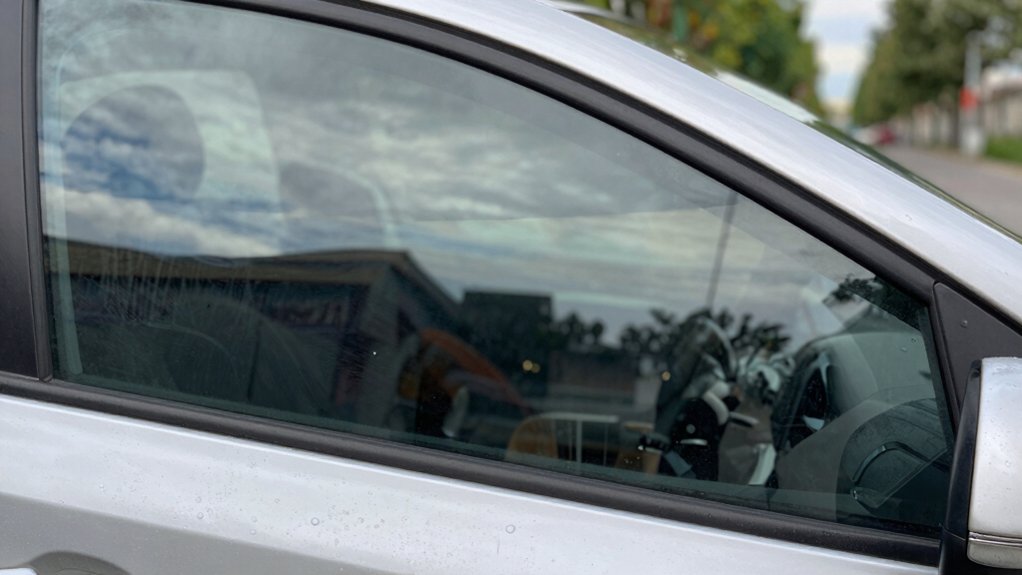
Use a 70:30 demineralized water to IPA spray-on-cloth mix. Grab a low-lint 300–400 GSM split microfiber (waffle or dense weave) and work methodically in short controlled passes. Swap towels as they load. Don’t use ammonia; avoid spraying directly on glass near tint, trim, or seals.
Wipe edges lightly. Rinse with distilled water if needed and ventilate to reduce vapors. Follow these steps and you’ll get streak-free glass. Tips on advanced tweaks are ahead.
Quick Overview
- Use a 70:30 demineralized water to IPA mix and spray the cloth, not the glass, for streak-free wipes.
- Choose a low-lint, tightly woven waffle or 300–400 GSM split-fiber microfiber towel to trap grime without shedding.
- Work methodically in overlapping passes; swap towels when they load to prevent recontamination and streaks.
- For tint-safe cleaning, avoid ammonia; use diluted vinegar/isopropyl blends and apply minimal solution near edges.
- Rinse seams with distilled water and dry with a fresh lint-free towel to remove residue and ensure clarity.
Recommended Cleaning Solution Ratios
How should you mix cleaners for streak-free car glass? You’ll follow measured ratios and test glass cleaner compatibility before full application. Use 70:30 demineralized water to IPA for interior wipes. Alternatively, use the vinegar-alcohol DIY (1 cup distilled water : 2 tbsp white vinegar : 1 cup IPA) for a reliable streak-free technique.
For waterless products, dilute per manufacturer: Hero ~128:1; ECH20 ~100:1; Bowden’s push toward 100:1+ to avoid streaks. Ready-to-use commercial cleaners need no dilution; spray cloth, not glass.
| Solution | Ratio | Result |
|---|---|---|
| IPA mix | 70:30 | Streak-free wipe |
| Vinegar-Alcohol | Recipe | Streak-free auto |
| Hero | 128:1 | Slick, low streaks |
| ECH20 | 100:1 | Excellent glass finish |
Microfiber Type and Weave
Microfiber choice matters: pick a low-lint, tightly woven cloth designed for glass. Waffle-weave or a 300–400 GSM split-fiber towel works best because the weave and GSM determine absorbency, lint-shedding, and streak capture. You’ll select towels that resist shedding, stay plush after washes, and won’t redeposit oils.
Focus on microfiber weave density and split-fiber construction; these trap contaminants without smearing. Handle towels by folding to expose clean panels, replace sides often, and launder separately with no fabric softener.
- Inspect weave: tight waffle or dense split fibers grab grime.
- Choose GSM: 300–400 for balance of absorbency and control.
- Use lint free towels only for final passes to avoid recontamination.
Work methodically; swapping towels as they load keeps glass streak-free.
Avoid Ammonia-Based Cleaners
Don’t use ammonia-based cleaners on car glass because their vapors can irritate you and their chemicals can harm paint, trim, and rubber seals. Ammonia also fades window tint and breaks down sealants over time. You should stop at the first sign of clouding or stickiness.
Choose safer options: automotive glass cleaners, distilled water mixes, or a vinegar/isopropyl blend to protect surfaces and your health.
Health And Vapor Risks
Why risk irritating your eyes and lungs when safer alternatives work just as well? You should avoid ammonia-based cleaners because health risks from vapor exposure are real and preventable.
Work methodically: choose a low-odor, automotive glass formula or diluted vinegar/isopropyl mix. Ventilate the area by opening doors or windows and wear gloves if you have sensitive skin.
Spray the solution onto your microfiber, never directly onto glass, to limit airborne droplets. Wipe in straight lines, replacing towels when damp to prevent re-emission of fumes.
If you feel coughing, throat irritation, or headache, stop immediately and move to fresh air. Seek medical advice for persistent symptoms. Prioritize ventilation and product choice to keep cleaning effective without compromising your respiratory health.
Paint And Trim Damage
Paint and trim on your car can suffer chemical burns and faded finishes from ammonia‑based cleaners, so avoid them and use low‑odor automotive glass formulas or diluted vinegar/isopropyl mixes instead. When you clean windows near painted panels or exterior trim, spray the solution on your cloth, not the surface, and keep excess liquid away from seams.
Wipe edges with short, controlled passes and inspect for any gloss change. Prompt rinsing with distilled water removes residues that cause paint damage. For plastic or matte trim, test a hidden spot; then use a gentle wipe pattern to prevent trim damage. Dry immediately with a clean microfiber, folding to expose a fresh section.
Store products safely and label them to prevent future misuse.
Rubber Seal Degradation
While you’re protecting paint and trim, pay equal attention to the rubber seals around your windows. Ammonia‑based cleaners can dry, crack, and shrink those seals over time. You should avoid ammonia products; instead, use automotive glass cleaners labeled safe for rubber or diluted vinegar solutions.
Work methodically: Lift a window slightly, clean the glass edge with a microfiber wrapped around a soft brush, then wipe the seal with a damp synthetic leather cloth. Inspect seals for tackiness, cracks, or gaps as you go. Treat early signs of rubber seal degradation with a silicone-based protectant designed for weatherstrips.
Take care near tinted glass edges to prevent any interaction that might accelerate window tint fading. Store products away from direct heat.
Window Tint Fading
Many common household and some automotive glass cleaners contain ammonia compounds that can eat at window tint adhesives and fade the film’s dyes over time. You should always choose an ammonia‑free cleaner when working near tinted windows.
Inspect the film edges and corners first; you’ll spot early discoloration or lifting if fading risk is present. Work with cool glass, limited solution, and a soft microfiber to avoid pushing chemicals into the adhesive.
Don’t spray directly onto the tint; apply product to the cloth and blot gently. Rinse or blot away residues thoroughly so chemicals don’t accumulate.
Consider the environmental impact of disposal: collect used cloths and liquids for proper waste handling rather than draining them into stormwater.
Safer Alternative Solutions
Worried about tint damage and lingering residues? Choose a safer alternative to ammonia cleaners: mix distilled water with a few drops of dish detergent or use white vinegar and isopropyl alcohol in small ratios.
Spray the solution on your microfiber, not directly on glass. Wipe in straight lines, then dry with a fresh lint-free towel. For stubborn grime, repeat with a gentle squeegee.
Avoid household glass cleaners labeled “ammonia” to protect tint adhesives and interior trim. While cleaning, inspect and perform wiper blade maintenance: lift blades, clean rubber with the same solution, and replace if cracked to prevent recontamination from streaky blades.
Store cleaners in labeled bottles and keep microfiber towels separate for glass only.
Frequently Asked Questions
Can Tinted Windows Be Cleaned Without Damaging the Tint?
Yes, you can clean tinted windows without damaging the tint. Use tint safe cleaning products, spray cleaner onto a lint-free microfiber, and wipe with straight, top-to-bottom strokes.
Keep the glass cool; avoid ammonia or harsh solvents. Do not scrub edges aggressively.
Dry with a fresh microfiber and finish with streak free techniques like folding towels to access clean surfaces. Inspect edges gently to ensure adhesive stays intact.
How Often Should Exterior Vs Interior Glass Be Cleaned?
Exterior cleaning you should do every 2–4 weeks, or sooner after road salt, bug splatter, or heavy rain; that keeps grime from etching glass.
Interior cleaning you should do every 1–2 months, or more often if you smoke, transport pets, or notice residue. Use methodical, top-to-bottom passes, spraying cloths not glass. Finish with a fresh microfiber. Adjust frequency based on exposure and visibility needs.
Can Rain-Repellent Coatings Affect Streak-Free Results?
Yes, rain repellent coatings can affect streak free results. You’ll need to prep glass thoroughly: decontaminate, use distilled water and a glass-specific cleaner, then apply coating per instructions.
After curing, clean with microfiber and avoid strong detergents that strip treatment. If you see streaking, deglaze affected areas and reapply coating in thin, even layers. Regular maintenance with compatible products preserves clarity and consistent streak free results.
Are Handheld Steam Cleaners Safe for Automotive Glass?
Yes, you can use handheld steamers on automotive glass, but you’ll need to be careful. Start cool and keep the steamer moving to avoid localized heat. Do not concentrate on plastic trims or tinted films.
Use distilled water to minimize deposits, then follow a streak-free technique: wipe immediately with a clean microfiber and dry in straight strokes. Test a small corner first and avoid excessive pressure to prevent seal or coating damage.
What’s the Best Way to Remove Stubborn Adhesive Residue?
Use isopropyl alcohol or a dedicated adhesive remover for sticky residue. Start by testing a small corner. Park in shade; dampen a microfiber with product and let it sit for 30–60 seconds to loosen adhesive.
Gently scrape with a plastic razor or credit card at a low angle, wiping loosened bits with a clean microfiber. Repeat as needed. Finish by cleaning glass with distilled water and drying to guarantee complete adhesive removal.
Conclusion
You’ll get streak‑free windows if you follow ratios, choose the right microfiber, and avoid ammonia cleaners. Use a tightly woven, lint‑free cloth. Apply solution sparingly, and wipe in overlapping horizontal strokes; flip the cloth when dirty.
Don’t let vapors linger: ventilate, and protect paint, trim, rubber seals, and tint by testing solutions first. Stick to safer alternatives like diluted vinegar or commercial ammonia‑free sprays for consistent, damage‑free results.