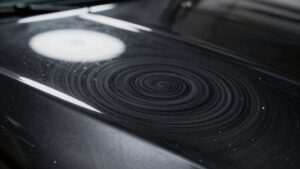
Water Spot Troubleshooting Matrix
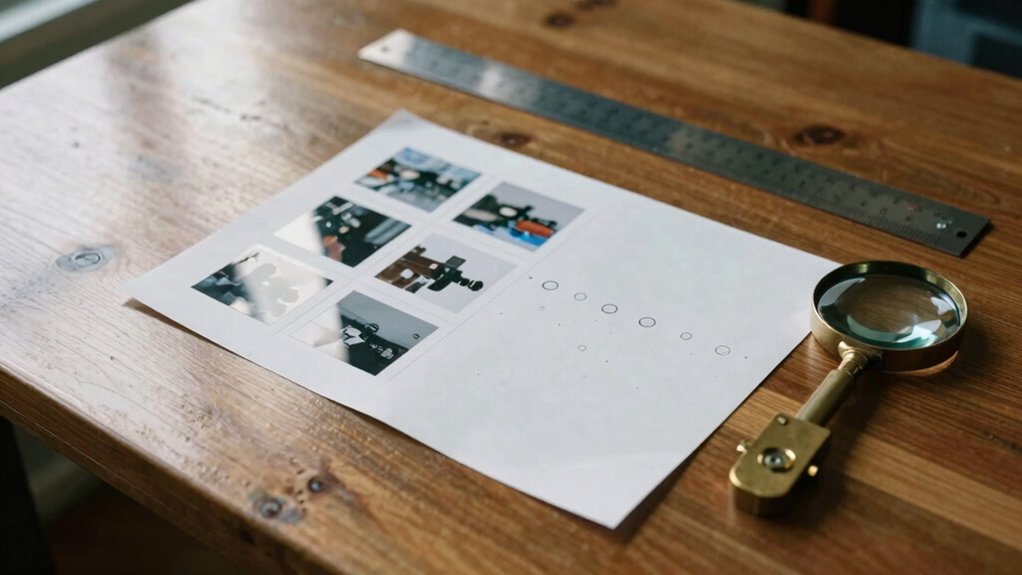
You’ll diagnose spots by color and texture: white/cloudy = Ca/Mg scale, red/brown = iron, blue/green/black = copper/manganese, persistent film = salts/TDS. Measure total hardness (mg/L or gpg), pH, and specific ions with calibrated kits or meters. Log temperature and sample location.
Keep wash pH about 6.5–8.5 to limit mineral activation and protect plants. Neutralize out-of-range runoff before disposal. Continue for targeted tests, neutralization steps, and mitigation options.
Quick Overview
- Identify stain color and behavior: white/cloudy = Ca/Mg, red/brown = Fe, blue/green = Cu/Mn, persistent film = TDS/salts.
- Measure total hardness (mg/L or gpg) with calibrated titration or digital meters. Record temp and sample location.
- Check solution and runoff pH. Keep operational rinse/wash pH 6.5–8.5 and log dilution and dwell time.
- Perform spot tests: if residue resists removal, neutralize acidic (9) deposits before full treatment.
- For hardness >7 gpg or visible metallic stains, plan mitigation (softening, RO, chelants). Verify post-treatment reduction.
Stain Mineral Content Chart
When you’re diagnosing water spots, start with the mineral content chart: it links specific ions (primarily calcium and magnesium) to measurable thresholds and predictable staining behaviors. You can prioritize treatment methods based on chemistry rather than guesswork.
You’ll read thresholds (ppm/GPG) and match visual signs: white crystalline films and etched glass point to Ca/Mg dominance. Colored stains suggest Fe/Cu/Mn. Use the chart to choose RO/deionization, acid rinse, or mechanical polishing based on severity.
| Mineral class | Diagnostic cue |
|---|---|
| Ca/Mg (hardness) | White scale, cloudy spots |
| TDS/Salts | Persistent film after drying |
| Iron | Red/brown stains |
| Copper/Mn | Blue/black/green discoloration |
Hard-water Measurement Guidelines
The mineral content chart helps you link visual cues to likely ions. Now you’ll need clear measurement guidelines to quantify hardness before choosing treatment. You’ll measure total hardness (CaCO3 mg/L or gpg) with calibrated kits or a digital tester, logging temperature and sample location. Avoid hard water myths by relying on instrument readings, not appearance alone.
Note testing pitfalls: contamination, expired reagents, and improper sampling skew results.
- Collect cold, stagnation-free sample; label time and source.
- Use titration kits for accuracy to ±1–2 mg/L or digital meters with recent calibration.
- Record hardness; note iron/manganese interference. Repeat duplicate tests.
- If >7 gpg, plan mitigation (softening, RO) and verify post-treatment reduction.
Follow procedures strictly for actionable data.
pH Thresholds and Tolerances
You’ll want to keep rinse and wash solutions within a safe pH range (about 6.5–8.5) to minimize mineral activation and surface etching. Note plant sensitivity limits: acidic runoff below ~6.0 can harm vegetation while alkaline discharge above ~9.0 stresses many species. Monitor nearby landscaping accordingly.
Use a calibrated pH meter or test strips for quick measurement. Neutralize out-of-range solutions with diluted citric acid (for high pH) or baking soda (for low pH) before final rinse.
Safe pH Range
Anyone working on water-spot removal should monitor pH because cleaners outside safe ranges can harm paint, clear coat, chrome, and glass. You must apply safe pH considerations: maintain cleaning agents between pH 4 and pH 10 for most automotive finishes to avoid acid or alkali etching.
Test product pH with strips or a meter before use. Neutral or mildly acidic formulations (pH 5–7) remove mineral deposits with lowest risk; mildly alkaline (pH 8–10) improves grease and organic residue removal but raises risk to sensitive clear coats and chrome if dwell time is long.
Rinse immediately after treatment; keep contact time minimal, and spot-test an inconspicuous area. Log pH, dilution, and dwell time for repeatable, safe results.
Plant Sensitivity Limits
Why does pH matter for plants near treated surfaces? You monitor pH because foliar and root exposure to runoff or spray residues alters nutrient availability and can cause direct tissue damage. Plant sensitivity varies by species. Many ornamental shrubs tolerate pH 5.5 to 7.5, while acidophiles and calcifuges require narrower ranges.
Adjusted surfaces or cleaners can shift local pH outside those tolerances. Measure runoff pH and analyze mineral content; high calcium or sodium concentrations raise osmotic stress and modify uptake of Fe, Mn, and Zn. If pH or mineral content exceed a species’ tolerance, you’ll see chlorosis, necrosis, or stunted growth.
Mitigate by buffering runoff, using neutral rinses, or selecting plantings with compatible pH and mineral tolerance to prevent chronic damage.
Surface Spot Formation
How does pH influence surface spot formation and the thresholds that determine harmless versus damaging deposits? pH controls mineral solubility and reactivity at the air–surface interface: acidic conditions (pH Neutral to slightly alkaline conditions (pH 6–8) tend to precipitate common hard-water minerals (calcium carbonate, magnesium salts) as benign films. Strongly alkaline conditions (pH > 9) increase etching risk by breaking down clear coats and organic sealants.
You should monitor pH because minor shifts change precipitation kinetics and residue adherence. At pH 6–8 expect removable surface spot formation and mild hard water symptoms. Below pH 6 or above pH 9 you’ll see accelerated corrosion, etching, or persistent staining that resists simple rinsing.
Neutralization Techniques
When should you neutralize surface residues versus simply rinsing them away? You neutralize when residues resist mechanical removal or when mineral interactions indicate potential etching. Rinse when deposits lift readily and pH is near neutral. Establish conservative pH thresholds: treat acidic residues below pH 5 and alkaline residues above pH 9.
Use targeted neutralization methods: buffered neutralizers for acids, mild acid rinses for high-alkaline films. These should be applied briefly and rinsed thoroughly. Monitor contact time; exceedances increase risk to clear coat, chrome, and glass. Select products formulated to chelate or convert calcium and magnesium without aggressive surfactants.
When in doubt, perform spot tests on inconspicuous areas. Document pH baseline and proceed with graduated neutralization to minimize unintended surface alteration.
pH Measurement Tips
A reliable pH measurement is essential for deciding whether to rinse, neutralize, or apply corrective chemistry to water spots. You should measure with calibrated instruments and interpret values against conservative thresholds: acidic
Use a handheld digital meter or high-quality strips; verify calibration with pH 4 and pH 7 buffers before testing. Sample immediately after spot formation and after rinsing to capture true surface residue. Record pH alongside mineral content data from hardness tests to correlate corrosivity risk.
If pH falls outside neutral range, select targeted neutralization or dilution procedures and recheck pH post-treatment. Maintain meter probes per manufacturer guidelines to ensure reliable pH measurement.
Chemical Tolerance Levels
Having accurate pH data from your measurements lets you set chemical tolerance levels for spot treatment and surface-safe cleaners. You’ll define safe pH bands for materials: glass tolerates approximately 3.0–11.0 briefly; clear coat and paint need 5.5–8.5 to avoid striping or softening. Chrome and plated metals prefer 6.0–9.0.
Select cleaners whose pH falls inside the band plus a safety margin. Account for dwell time: a low-pH agent may be acceptable for seconds but damaging over minutes. Consider environmental factors: high temperatures and UV increase chemical activity.
For landscaped zones, note plant sensitivity near treated surfaces. Choose formulations and rinsing protocols that prevent runoff below neutral pH. Log pH, concentration, and outcomes to refine your tolerance thresholds.
Frequently Asked Questions
Can Water Spots Permanently Damage Car Clear Coat?
Yes, water spots can permanently damage clear coat if minerals etch into it. You’ll see roughness and rings that won’t wipe away. You should test hardness, decontaminate, and use clay or polish to remove etching. Severe cases need professional cutting and recoat.
Disclaimer: water spots, coating longevity, paint etching, professional refinishing.
Can Household Vinegar Harm Chrome or Rubber Seals?
Yes, household vinegar can harm chrome and rubber seals if used improperly. For vinegar safety, dilute white vinegar (1:1 with distilled water) and limit contact time to a few minutes. Rinse thoroughly and dry to prevent acidic etching on chrome and swelling or hardening of rubber seals.
Test an inconspicuous area first. For persistent deposits, use dedicated, pH-neutral chrome cleaners and rubber-safe protectants to avoid damage.
How Long Before Spots Etch if Left Untreated?
Within days to weeks, you’ll see etch risk increase: fresh mineral buildup can mark clear coats in a few days under sun and high heat. Persistent deposits harden and etch within 2–6 weeks.
At 14+ grains per gallon or with repeated wet/dry cycles, etching accelerates and corrosion risk rises on chrome and metal over months. Act quickly: rinse, remove minerals, and protect surfaces to prevent permanent damage.
Are Spot Removers Safe on Tinted Windows?
Yes, many are safe on tinted windows if you choose formulations labeled non-abrasive and ammonia-free. When using spot removers on tinted windows, test a small hidden area first. Avoid prolonged dwell time, and rinse thoroughly.
Acidic or abrasive products can lift tint adhesive or haze films; therefore, select pH-neutral, mineral-dissolving cleaners. Use soft microfiber and gentle agitation to remove water spots without compromising the tint.
Can a Water Softener Prevent All Exterior Spotting?
No, a water softener won’t prevent all exterior spotting. You’ll get softer water with reduced mineral residue, which greatly lowers fresh spotting; however, it won’t eliminate stains from airborne contaminants, salt, organic films, or preexisting etched minerals.
Soft water reduces deposit formation, but you’ll still need proper rinsing, drying, wax/sealant application, and periodic testing. For severe etching or high-hardness bypasses, professional correction and protective coatings remain necessary.
Conclusion
You’ve now got a concise troubleshooting matrix to spot, measure, and neutralize waterborne stains. Use mineral-content charts and hard-water guidelines to identify likely causes. Check pH against the safe range and plant sensitivity limits, and apply neutralization techniques within chemical tolerance levels.
Measure pH accurately with calibrated meters. Document readings, and adjust only to tolerated values. Follow surface-specific protocols to prevent reformation and verify results before returning items to service.