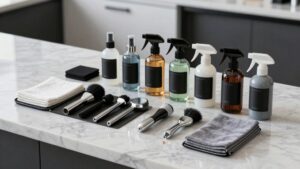
Wheel Cleaner Safety for Alloy Wheels
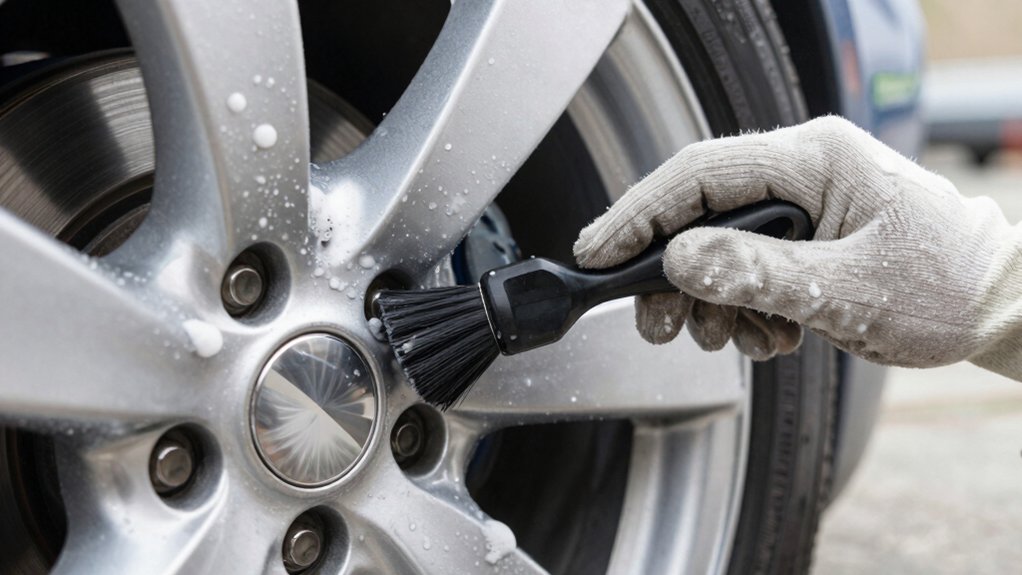
You should match wheel-cleaner pH, dilution, and dwell to the alloy finish to avoid etching, corrosion, or coating loss.
For routine service, use neutral-to-slightly-alkaline (pH 6.5–8.5); reserve mildly acidic (pH 4.5–6.4) or stronger alkalis (pH 8.6–10.5) only with manufacturer compatibility, validated rinse controls, and PPE.
Test a small area first and document batch pH, dilution, and dwell times. Continue below to see finish-specific limits and protocols.
Quick Overview
- Choose a pH-neutral cleaner (pH 6.5–8.5) for routine alloy wheel maintenance to avoid etching or finish damage.
- Reserve acidic or strong alkaline formulas for heavy brake dust only after confirming wheel compatibility and using rapid rinse controls.
- Test any cleaner on a small, inconspicuous area before full application to check for staining, pitting, or coating damage.
- Limit product dwell time to about 3–5 minutes. Follow dilution instructions, then rinse thoroughly to prevent chemical attack.
- Document product batch, dilution, measured pH, application steps, and test results for accountability and future reference.
pH Range Comparison Chart
How do you pick the right wheel cleaner pH? You assess contamination, wheel type, and cleaning frequency. Then you choose a safe range to limit avoidance risks. Use this quick reference:
| pH Category | Typical Use | Surface Notes |
|---|---|---|
| Acidic ( | Heavy brake dust, rust | Effective but needs rapid rinsing on polished/uncoated |
| Neutral (6.5–7.5) | Routine maintenance | Safe for all finishes; simplifies procedures |
Select neutral-to-slightly-alkaline (pH 7–8) for routine service. Reserve acidic formulas for severe deposits with strict rinse and time controls. Monitor dwell time and follow manufacturer dilution. Log cleaning frequency to minimize chemical exposure and surface damage.
You’ll reduce corrosion, staining, and regulatory noncompliance by enforcing these practical, documented controls.
Approved pH-Safe Concentrations
Why choose specific pH bands for wheel cleaners? You need measurable limits to protect alloy finishes while ensuring efficacy. Follow approved pH safe concentration guidelines to balance cleaning power with material safety.
- Maintain pH 6.5–8.5 for pH-neutral cleaners when treating powder-coated or anodized surfaces.
- Use pH 4.5–6.4 for mildly acidic formulations only when manufacturer compatibility is confirmed.
- Reserve pH 8.6–10.5 for controlled alkaline products on heavily soiled; corrosion-resistant alloys with strict dwell-time controls.
- Never exceed pH 11.5. High-alkaline solutions require validated rinse protocols and PPE.
Document concentrations, batch pH, application dilution, and dwell times to comply with concentration guidelines and approved pH safe practices.
Alloy Finish Compatibility Chart
Refer to an alloy finish compatibility chart before selecting a cleaner so you match product chemistry to specific surfaces: paintwork and clearcoat, chrome and plated finishes, polished aluminum, powder-coated surfaces, and ceramic or other coated wheels each have distinct tolerances.
Use pH-neutral, acid-free formulas on sensitive finishes and reserve stronger (but properly diluted) cleaners only for durable, uncoated metals. Follow manufacturer instructions and test a small, inconspicuous area to confirm safe compatibility before full application.
Paintwork And Clearcoat
Curious which wheel finishes tolerate which cleaners? You must prioritize paintwork preservation and clearcoat longevity when selecting wheel cleaners. Use pH-neutral, acid-free formulas to prevent etching, softening, or stripping of paint and clear layers.
Apply products per label; limit dwell time to recommended 3–5 minutes. Rinse thoroughly to avoid residual chemical interaction with automotive coatings. Avoid abrasive pads or harsh solvents that breach clearcoat barriers; inspect painted wheel faces after a test patch.
If wheels have factory sealants or wax, choose cleaners compatible with existing protection to maintain adhesion and gloss. Document product choices and procedures for warranty compliance and repeatable maintenance that preserves finish integrity and reduces long-term repair risk.
Chrome And Plated Finishes
When you’re working with chrome or plated finishes, choose cleaners that are acid-free and pH-neutral to prevent peeling, pitting, or dulling of the plating. You’ll select products labeled safe for chrome finishes and plated finishes. Confirm pH and ingredient lists, and avoid acids, strong alkalines, and abrasive additives.
Apply according to manufacturer dwell times (typically 3–5 minutes). Agitate gently with non-abrasive tools, then rinse thoroughly to remove residues that could initiate corrosion. Test on an inconspicuous area when in doubt. If you detect plating lift or discoloration, stop use and consult a restoration specialist.
Maintain records of products used and inspection results to ensure repeatable, compliant maintenance of chrome and plated wheel assemblies.
Polished Aluminum Care
After handling chrome and plated finishes with acid-free, pH-neutral products, move on to polished aluminum, which demands its own set of precautions and compatible cleaners. You’ll follow strict polished aluminum care protocols: use only acid-free, pH-balanced, safety-focused formulation cleaners labeled safe for uncoated aluminum.
Test a small area; adhere to recommended dilution and 3–5 minute dwell times. Avoid prolonged contact that risks etching. Use soft, non-abrasive tools and rinse thoroughly to prevent residue-driven corrosion.
Document product batch and application steps for traceability when servicing multiple vehicles. If contamination persists, repeat with gentle agitation rather than switching to stronger chemistries. These controls minimize staining, pitting, and warranty risk on polished aluminum surfaces.
Powder-Coated Surfaces
How should you treat powder-coated wheels to preserve their protective finish and avoid warranty issues? You must use pH-neutral, acid-free cleaners specifically labeled safe for powder coated surfaces. Follow manufacturer instructions for dilution, dwell time (typically 3–5 minutes), and rinse procedures to avoid coating degradation.
Conduct a small-area compatibility test before full application. Wear PPE and avoid abrasive pads or harsh chemicals that can void warranties. Document product lot and application method if you need to claim warranty. After cleaning, dry completely and reapply compatible protective polymers or sealants recommended by the wheel maker.
These safety tips reduce the risk of staining, pitting, or finish failure; they ensure compliance with manufacturer care requirements and regulatory labeling standards.
Ceramic And Coated Wheels
Ceramic and specialty coated wheels require careful product matching to maintain their engineered protections and avoid coating failure. You should use only cleaners explicitly labeled safe for ceramic, hydrophobic, or factory-applied coatings. Follow manufacturer dilution and dwell-time limits, which are typically 3–5 minutes; perform a small-area compatibility test, wear appropriate PPE, and rinse thoroughly to prevent chemical interaction that could strip or stain the coating.
For coated wheel care, select acid-free, pH-balanced formulations and avoid iron-removers that lack explicit paintwork compatibility statements. Confirm compatibility with ceramic sealants and existing protective layers before use. Monitor alloy finish gloss after the first application and document results. If any matting, streaking, or softening occurs, stop use and consult the coating manufacturer for approved maintenance products.
Frequently Asked Questions
Can Wheel Cleaners Damage Brake Calipers or Sensors?
Yes, you can damage components if you misuse cleaners. For wheel cleaner safety, choose pH-neutral, acid-free formulas and avoid prolonged contact to reduce brake caliper risk.
Don’t spray directly on exposed sensors, rubber seals, or painted calipers. Rinse thoroughly and follow dwell-time instructions (3–5 minutes). Use gentle agitation and proper dilution.
Pick products labeled safe for brake components to comply with OEM and regulatory best practices.
How Often Should I Deep-Clean Alloy Wheels?
You should deep-clean alloy wheels every 4–6 weeks for a practical maintenance cadence. Adjust this timing to driving conditions and local road salts. Stick to acid-free, pH-balanced cleaners and follow safety considerations to protect finishes and brake components.
Document the procedure, dwell times (3–5 minutes), and dilution ratios for regulatory-style consistency. Increase frequency after salty or dusty exposure. Decrease to quarterly if you drive minimally and use protective sealants.
Can Wheel Cleaner Remove Tar and Asphalt Spots?
Yes, many gentle, pH-balanced wheel cleaners will remove tar and asphalt spots when used correctly. You should treat tar quickly; allow recommended dwell time (3–5 minutes) and use gentle agitation with appropriate tools.
For persistent deposits, use a tar-specific solvent compatible with your wheel finish. Maintain a regular deep clean frequency to prevent buildup and reduce the need for aggressive chemicals that can risk delicate alloys or coatings.
Are Wheel Sealants Compatible With All Cleaners?
Not always; you’ll need to match cleaners to sealants. pH balanced formulas and non toxic alternatives are generally safe with most sealants. However, acidic or highly alkaline products can strip protection.
Follow manufacturer guidance, test a small area, and avoid prolonged dwell times. Use gentle agitation and rinse completely. If labels conflict, reapply the sealant after cleaning or choose a certified-compatible cleaner to maintain warranty and finish integrity.
Can I Use Pressure Washer on Delicate Wheel Finishes?
Yes, you can use pressure washing on delicate finishes, but you’ll need to follow strict controls. Keep pressure low (under 1200–1500 psi); use a wide fan nozzle; hold the wand at least 12–18 inches away; and avoid direct spray at seams or damaged coatings.
Combine with pH-neutral, acid-free cleaners and short contact time. Inspect finishes afterward and reapply protection if any coating appears compromised.
Conclusion
You should always match wheel cleaner pH and concentration to the alloy finish to avoid damage and comply with manufacturer guidance. Use only approved pH-safe strengths; test in an inconspicuous area, and limit dwell time per directions. Avoid acidic or highly alkaline formulas on painted, clearcoated, chrome, plated, powder-coated, ceramic, or polished aluminum wheels unless explicitly rated.
Keep records of product use and inspections to demonstrate due diligence and safe maintenance practices.